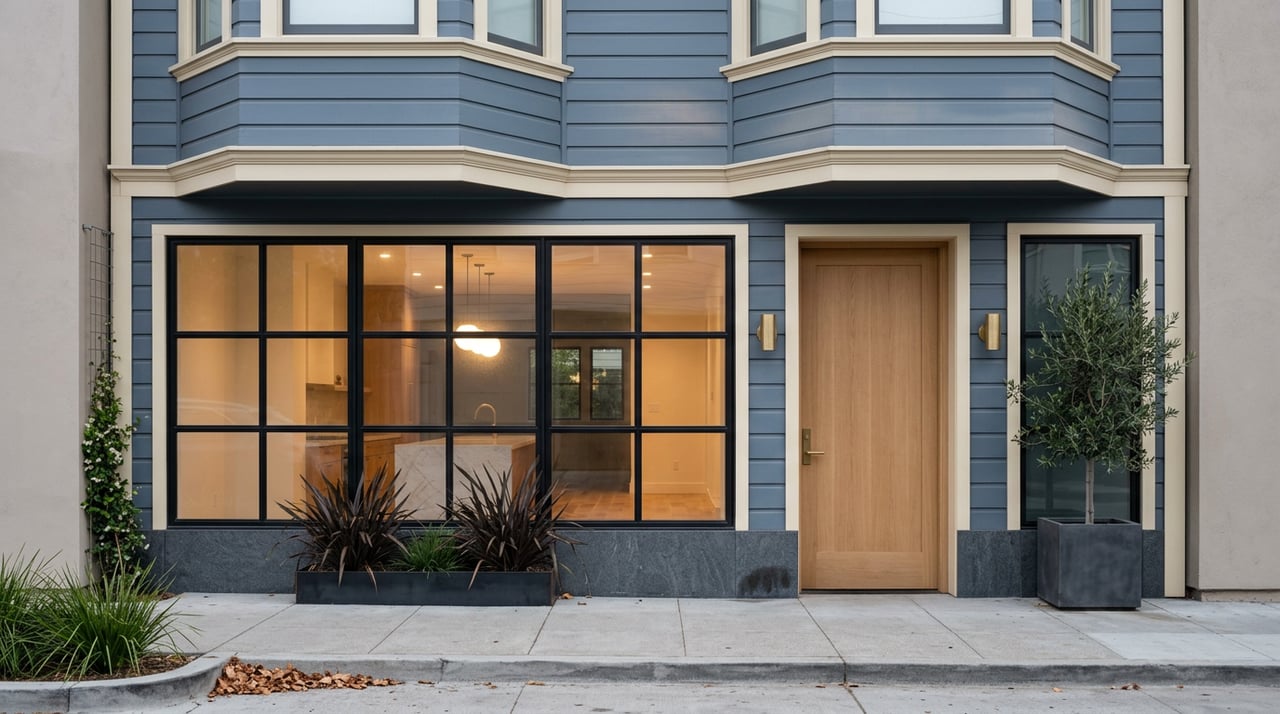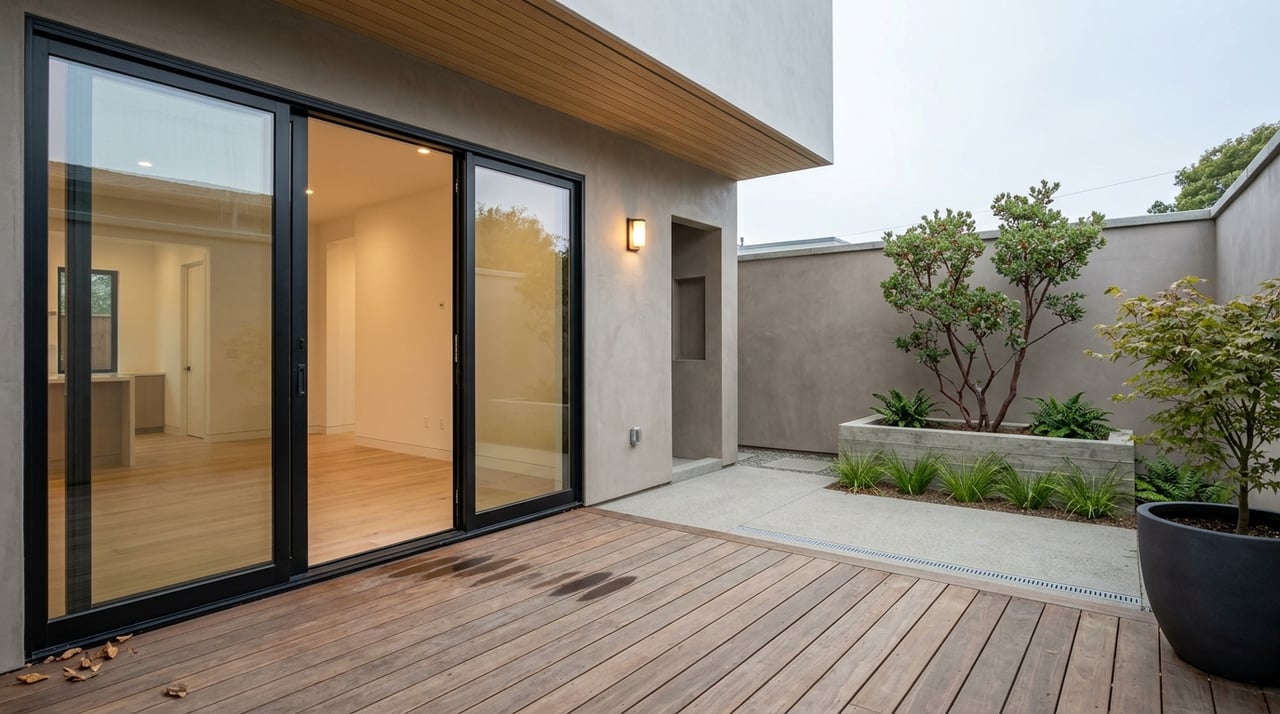
Wondering whether a condo or a single-family home makes more sense in Noe Valley as your household grows? It is a big decision, especially in a neighborhood where walkability, outdoor space, and housing style can shape your daily routine in very different ways. If you are weighing budget, upkeep, privacy, and access to the heart of the neighborhood, this guide will help you sort through the trade-offs with a clear Noe Valley lens. Let’s dive in.
Why Noe Valley Feels Different
Noe Valley offers a very specific kind of San Francisco lifestyle. The 24th Street commercial corridor is the center of that experience, with small-scale mixed-use buildings, street-level shops and services, and housing above. The area is designed to stay compatible with the surrounding residential blocks, which helps preserve the neighborhood’s village-like feel.
That core is especially important if you picture your week unfolding on foot. Public improvements along 24th Street between Church and Castro added features like bulb-outs and decorative crosswalks to improve pedestrian safety and transit efficiency. In practical terms, that supports the kind of day-to-day convenience many buyers value when choosing to live close to the neighborhood center.
Church Street adds another layer to the decision. The Church & 24th stop serves the J Church line, and stop changes approved in late 2024 were intended to improve reliability and access along the corridor. If you are comparing a condo near 24th and Church with a detached home farther uphill or farther from the strip, this can be one of the most noticeable lifestyle differences.
Noe Valley Housing Stock Matters
A lot of buyers assume the choice is simply between a detached house and a large condo building. In Noe Valley, the housing mix is more nuanced than that. According to San Francisco Planning’s 2024 Housing Inventory, Noe Valley has 11,698 housing units, with about 27% in single-unit structures and about 44% in 2 to 4 unit structures.
That matters because many local condo options are likely to be in smaller buildings or converted flats. For a growing household, that creates a middle ground that can feel more residential than a large multifamily property while still offering a lower-maintenance setup than a detached house.
The neighborhood’s housing stock is also older, with a median structure year of 1926. That older profile often translates into charm and character, but it can also affect layout, storage, maintenance needs, and renovation potential. Those details can carry real weight when you are choosing a home meant to support the next three to five years of your life.
The Market Sets the Tone
Noe Valley remains a premium micro-market, and that shapes the condo-versus-house conversation right away. Redfin’s May 2026 snapshot showed a median sale price of $2.35 million, average days on market of 13, and a 122.3% sale-to-list ratio. Those numbers point to a fast, competitive environment.
The same snapshot showed only 6 condos for sale, with a median list price of $1.15 million. Directionally, Homes.com places Noe Valley single-family homes roughly between $1.5 million and $4 million, while condos range from the low $700,000s to about $2.2 million. Even allowing for variation by condition, size, and location, the price gap is often meaningful.
For many households, that gap is the starting point. A condo may offer a more accessible path into Noe Valley, while a single-family home may require a larger financial stretch in exchange for space and control.
Single-Family Homes Offer Space and Control
If your household is growing and you are planning ahead, a single-family home often wins on flexibility. You are more likely to find more bedrooms, more storage, and private outdoor space such as a yard, deck, or garden area. That extra room can matter if your needs are changing or you want the option to adapt the home over time.
Control is another major advantage. With a detached home, you generally have more autonomy over maintenance decisions, updates, and renovations. If customizing your space is important to you, that freedom can be a major reason to choose a house.
The trade-off is responsibility. You are typically taking on the full burden of repairs, exterior upkeep, and long-term maintenance planning. In an older housing stock, that can be a bigger commitment than buyers first expect.
Condos Offer Location and Simplicity
A condo often appeals to buyers who want to stay as close as possible to the 24th Street and Church Street lifestyle. Noe Valley is highly walkable, with a Walk Score of 94, and that has real value if you want errands, transit, dining, and neighborhood gathering spaces woven into your routine. A condo near the commercial core can make that easy.
There is also the maintenance factor. Condo ownership usually means HOA dues are paid to the association, and those dues are generally separate from the mortgage payment. In exchange, owners often have less direct responsibility for common-area or exterior maintenance and may share amenities or services with other owners.
That setup is not right for everyone. HOA dues and shared governance come with rules, budgets, and group decision-making. Still, for many buyers, the trade is worth it if the goal is lower day-to-day maintenance and a lower entry price than most detached homes.
Outdoor Space Is a Real Divider
In Noe Valley, outdoor access can become the deciding factor. A single-family home is more likely to provide private outdoor space that feels fully your own. If you want room for gardening, pets, play, or simply more separation from neighbors, that can be hard to replicate in many condo settings.
A condo may still offer outdoor access, but it is more likely to involve shared space or less direct control over how the space is used. In a neighborhood where many condos are in smaller buildings or flats, the exact setup can vary a lot. That is why it helps to look beyond square footage and ask how usable the outdoor area actually feels for your household.
Daily Convenience Can Favor Condos
For some growing households, convenience is not a luxury. It is the thing that makes busy weeks work. Living closer to 24th Street, the J Church stop, and neighborhood gathering spaces like Noe Valley Town Square can simplify errands, commuting, and downtime.
Noe Valley Town Square serves as a central community space for farmers’ markets, cafe seating, music events, exercise classes, and other uses. Upper Noe Recreation Center adds a playground, picnic area, baseball diamond, basketball courts, and other amenities. If access to these places is part of your ideal routine, a condo near the core may offer a strong quality-of-life advantage.
That said, not every detached home is far from the action, and not every condo is in the middle of it. In Noe Valley, small changes in location can make a big difference, so it is worth thinking block by block rather than category by category.
A Practical Noe Valley Decision Framework
The simplest local framework is this: in Noe Valley, a house usually buys you more space and control, while a condo usually buys you location and a lighter maintenance load. Neither option is automatically better. The right fit depends on which compromises feel manageable to you.
If you are deciding between the two, start with a few practical questions:
- How many bedrooms will you realistically need in the next three to five years?
- How important is private outdoor space versus shared or limited outdoor access?
- How much time and money do you want to devote to maintenance and repairs?
- How important is it to be within easy walking distance of 24th Street, Church Street transit, and neighborhood public spaces?
- Are HOA dues an acceptable trade for reducing direct upkeep?
For many buyers, the answer is not fully one or the other. A condo or flat in a 2 to 4 unit building can offer a useful middle path. It may feel more house-like in scale while preserving more budget flexibility and reducing the total maintenance burden compared with a detached property.
What Growing Households Often Prioritize
As households grow, priorities tend to become more concrete. What looked appealing on a first home search can start to feel less important than storage, layout, outdoor access, and the rhythm of everyday life. In Noe Valley, those shifts often make the condo-versus-house decision more about function than aspiration.
A detached home may make sense if you expect to grow into more bedrooms, want more autonomy, and are comfortable with a larger monthly commitment and greater upkeep. A condo may make sense if staying close to the neighborhood core, simplifying maintenance, and keeping the purchase more manageable matter most right now.
In a competitive market, clarity matters. The more clearly you define your non-negotiables, the easier it becomes to recognize whether the right Noe Valley fit is a condo, a single-family home, or something in between.
If you are weighing a condo against a single-family home in Noe Valley, a local, property-specific strategy can make the decision much clearer. For tailored guidance on location, property type, and how to navigate this competitive micro-market, schedule a private consultation with Beverly Barnett.
FAQs
Is Noe Valley mostly single-family homes or condos?
- Noe Valley has a mixed housing stock. San Francisco Planning reports that about 27% of units are in single-unit structures and about 44% are in 2 to 4 unit structures, so many condos are likely in smaller buildings or converted flats.
Are condos in Noe Valley usually less expensive than houses?
- Generally, yes. Recent market data in the research report showed condos at a lower median price point than detached homes, although actual pricing varies by size, condition, and location.
What is the main benefit of a single-family home in Noe Valley?
- The main benefit is usually more space and control, including a better chance of extra bedrooms, storage, private outdoor space, and more autonomy over updates and maintenance decisions.
What is the main benefit of a condo near 24th Street in Noe Valley?
- The main benefit is often easier access to walkable daily conveniences, transit on Church Street, and a lower-maintenance ownership setup compared with a detached home.
Do Noe Valley condos usually have HOA dues?
- Condo ownership usually includes HOA dues paid directly to the association, and those dues are generally separate from the mortgage payment.
How should a growing household choose between a condo and a house in Noe Valley?
- Start by comparing your likely space needs over the next three to five years, your need for private outdoor space, your comfort with maintenance, and how important it is to live close to the neighborhood’s commercial core and transit.