If your workweek pulls you across San Francisco, down the Peninsula, or into different parts of the city, where you live can shape your whole routine. You may want a neighborhood that feels calm and lived-in, but still gives you practical transit options when time matters. Glen Park stands out for exactly that balance, and understanding its strengths and trade-offs can help you decide whether it fits your day-to-day life. Let’s dive in.
Why Glen Park Stands Out
Glen Park offers something many buyers look for but do not often find in one place: a village-like setting with strong regional access. San Francisco Planning describes the neighborhood as a valley community with winding streets, steep topography, and a small commercial center around Diamond and Chenery.
That layout gives Glen Park a more intimate feel than many busier parts of the city. At the same time, the neighborhood is anchored by nearby transit and direct access points that make commuting more workable than its quiet atmosphere might suggest.
Glen Park’s Village Feel
One of Glen Park’s biggest draws is its compact, neighborhood-serving core. Planning documents note that within a few blocks of the commercial district, you can find restaurants, cafes, banks, salons, a grocery store, a library, and other everyday services.
That matters if you want a home base where errands feel simple. Instead of depending on long drives for basic needs, you can often stay close to the center of the neighborhood and keep your routine efficient.
A Compact Commercial Core
The retail district is concentrated along Diamond and Chenery, with nearby portions of Monterey, Bosworth, Wilder, and Joost also included in the neighborhood commercial transit district. This helps explain why Glen Park tends to feel more like a compact village center than a long commercial strip.
For buyers, that kind of layout can make a neighborhood feel more cohesive. It also supports a lifestyle where transit, small businesses, and daily needs connect in a fairly natural way.
Open Space Close to Home
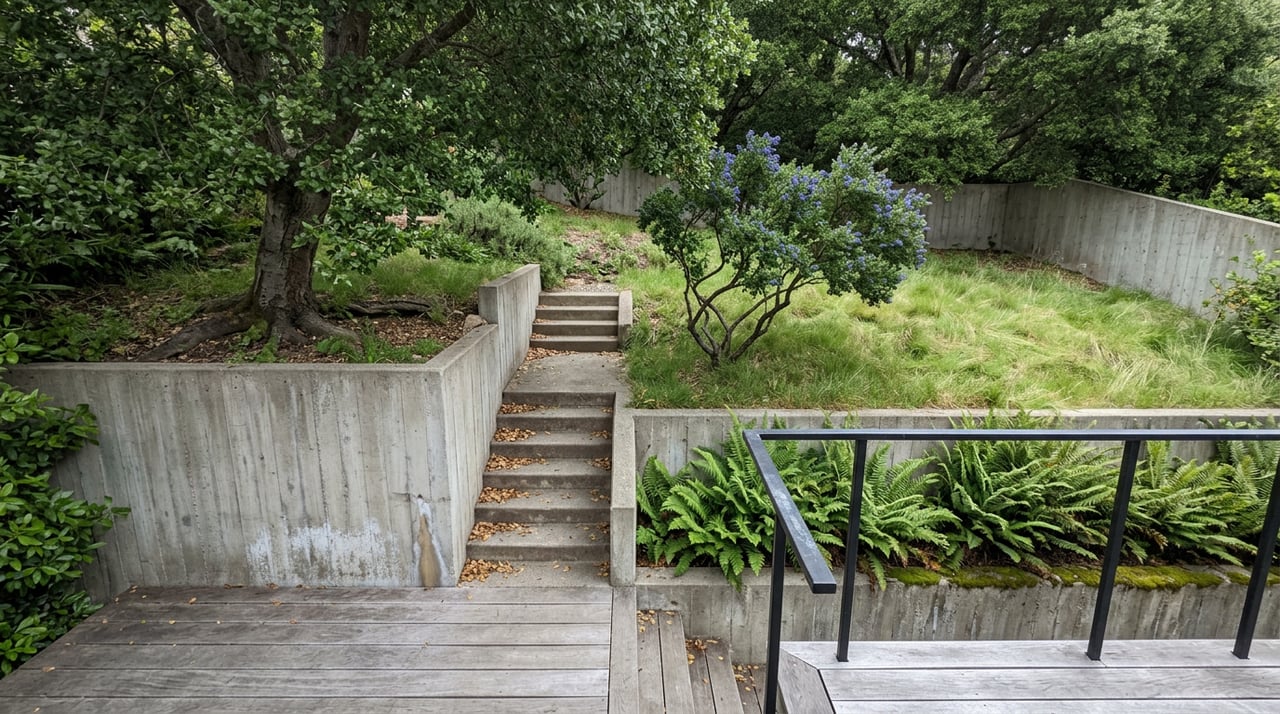
Glen Park is not only about convenience. Glen Canyon Park adds a major outdoor component, with 66.6 acres of open space, hiking trails, creek habitat, recreation facilities, ball fields, tennis courts, and forested slopes.
If you commute often, nearby open space can be more important than it first appears. It gives you an easy way to reset before or after a busy day without leaving your neighborhood.
What Makes Commuting Work Here
Glen Park’s commuter appeal starts with range. It is not simply a neighborhood with a BART station. According to SFMTA, it is also served by J Church and several Muni routes, including 14 Mission, 14R Mission Rapid, 23 Monterey, 24 Divisadero, 35 Eureka, 36 Teresita, 44 O'Shaughnessy, 49 Van Ness/Mission, and 52 Excelsior.
That broad service network gives you options when your destination changes. For many Bay Area buyers, flexibility matters almost as much as speed.
BART Access for Regional Travel
BART is one of Glen Park’s strongest assets for commuters who need to move beyond the neighborhood. The Glen Park station provides service toward San Francisco and Daly City, as well as toward SFO and Millbrae.
For Peninsula trips, the Millbrae connection can be especially useful. BART’s current transfer timetable says the ideal scheduled transfer to Caltrain at Millbrae is 5 to 19 minutes, which helps support trips farther south.
Muni Coverage for City Travel
For travel within San Francisco, Muni expands the neighborhood’s reach. The J Church serves San Jose Avenue and Glen Park Station, running east to Embarcadero and west to Balboa Park.
SFMTA lists weekday headways of 15 minutes for most of the day and 20 minutes late at night. Weekend service is generally every 20 minutes in the morning, then every 15 to 20 minutes later in the day.
Practical Station Details
The station setup also tells you something about how Glen Park functions. BART notes that Glen Park station has 55 parking spaces, a five-hour parking limit, a $7 daily fee, bike racks, 12 BikeLink lockers, and a BayWheels station.
In practical terms, this supports multiple commute styles without making the neighborhood feel centered on large-scale parking. If you walk, bike, ride transit, or mix modes depending on the day, Glen Park can support that flexibility.
Driving Access Matters Too
Not every Bay Area commuter is transit-only. San Francisco Planning also points to direct and easy access to I-280, which adds another layer of convenience for people who split their time between San Francisco and the Peninsula.
For some buyers, this mixed-mode access is the real selling point. You may be able to use transit most days while still having a straightforward driving route when your schedule demands it.
Housing Style and Neighborhood Form
Glen Park’s housing stock is varied, but it is not dominated by large new developments. Planning materials describe a built-out neighborhood with limited future development sites, especially in the commercial core.
That can be a plus if you value a more established feel. It can be less appealing if you are specifically looking for newer-construction housing or a master-planned environment.
What You’ll Find in Glen Park
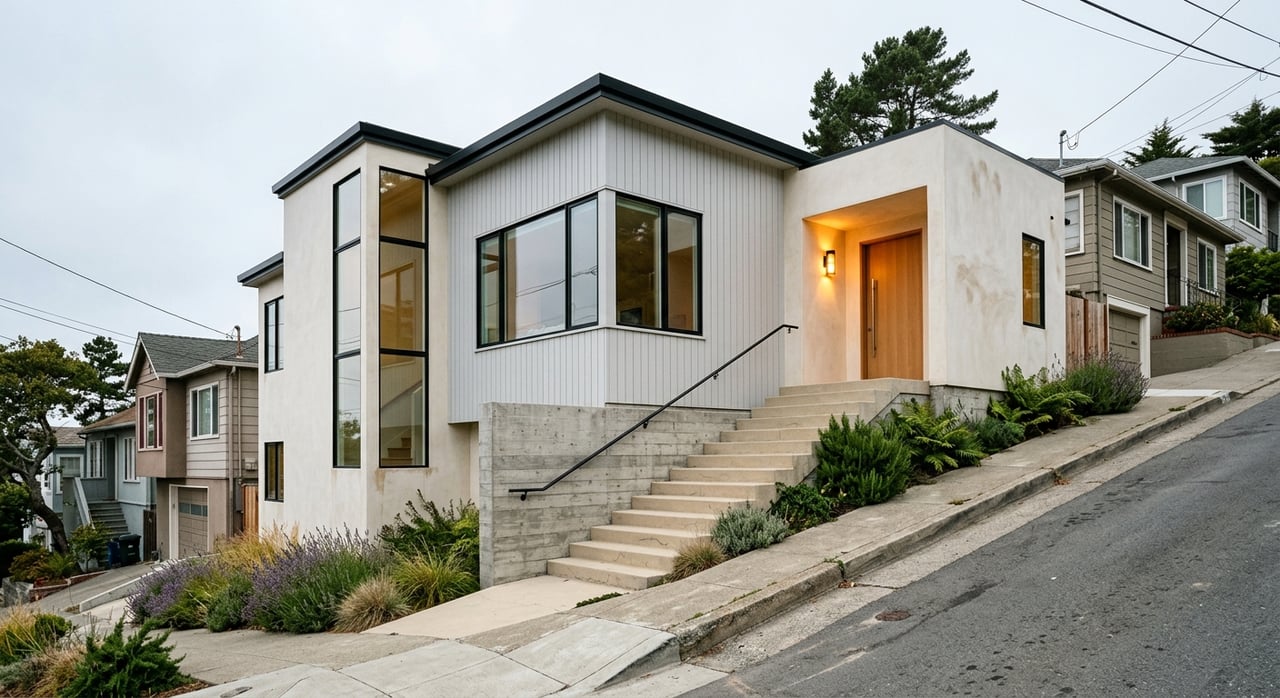
San Francisco Planning’s historic context report describes a mix of single-family homes, flats, duplexes, apartment buildings, and residential-over-commercial buildings. Flats are generally two to four stories with one unit per floor.
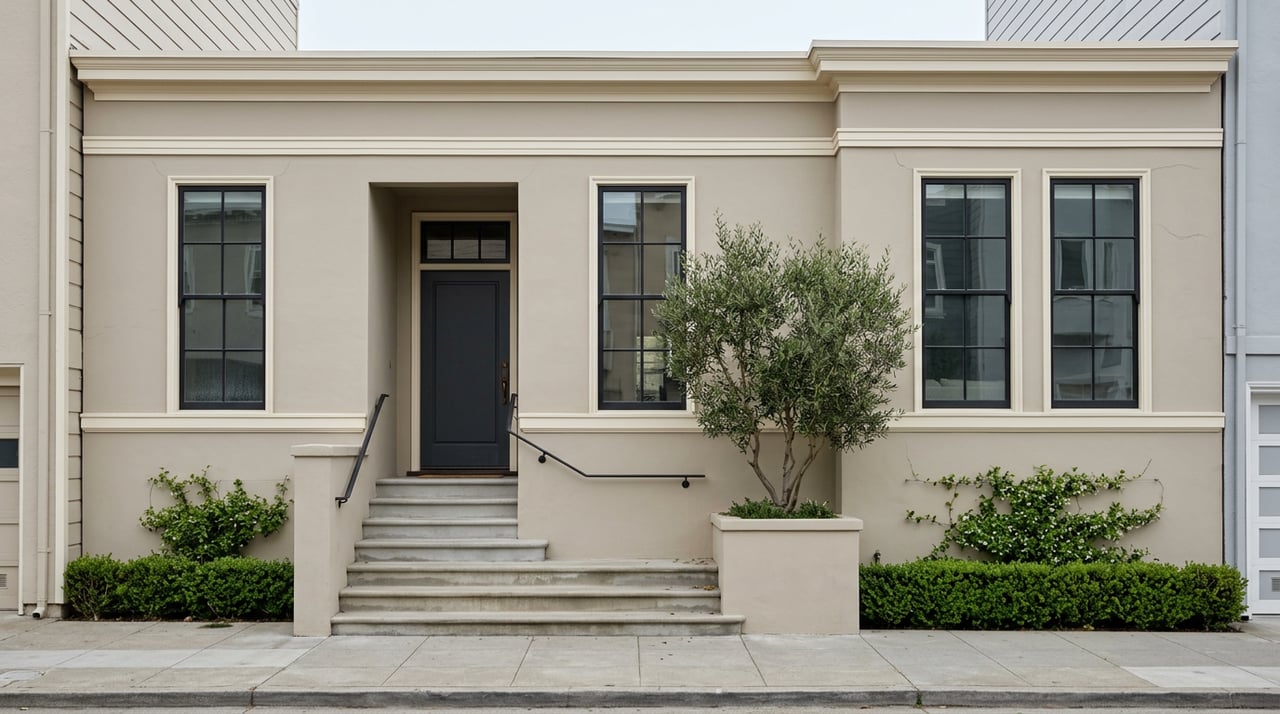
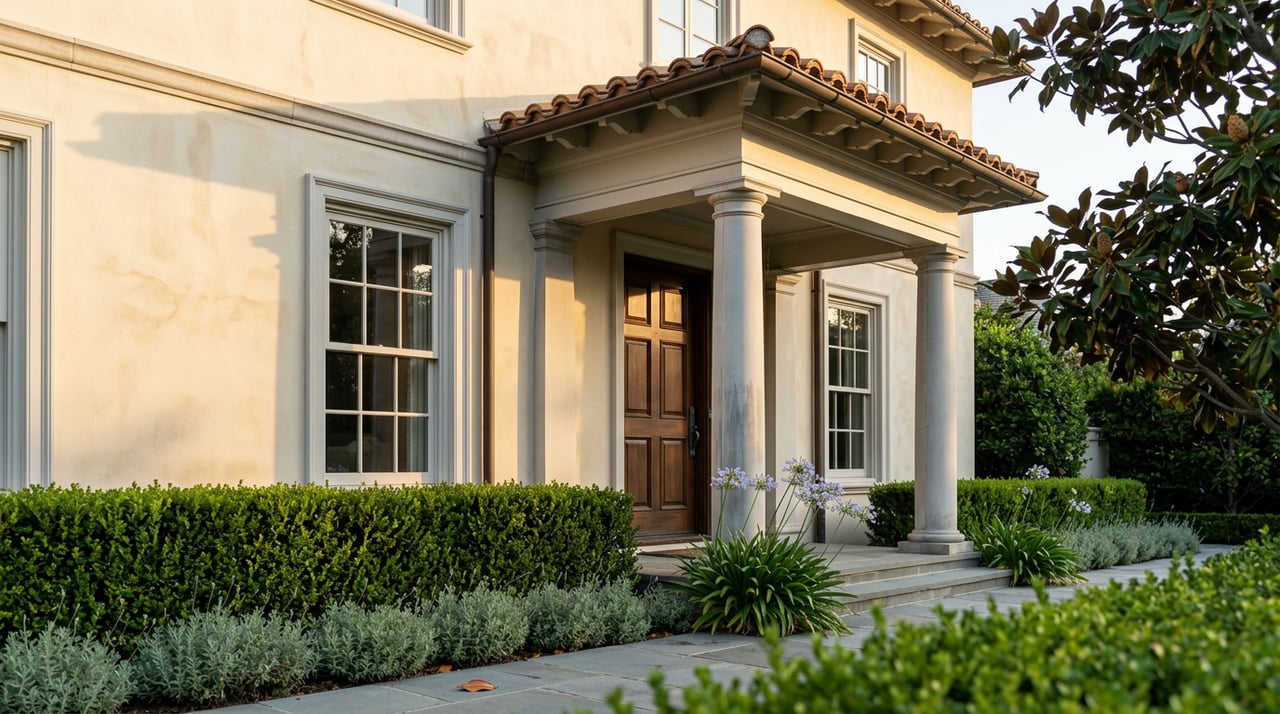
Architecturally, the neighborhood includes 1920s and 1930s Period Revival, Spanish Eclectic, and Mediterranean Revival homes, along with 1950s and 1960s Modern buildings. Many older homes feature stucco finishes and modest massing, while mixed-use buildings place housing above storefronts.
Why the Built Form Matters
For buyers, built form affects more than curb appeal. It shapes privacy, light, access, parking expectations, and how a street feels from one block to the next.
In Glen Park, the smaller scale and established streetscape help create character. If you are drawn to neighborhoods with a strong sense of place, that can be a meaningful advantage.
The Trade-Offs to Know
No commuter neighborhood is perfect, and Glen Park has real trade-offs. San Francisco Planning notes that the small downtown sits within a major transportation interchange where bus lines, freeway ramps, and BART converge.
That can create rush-hour congestion, parking concerns, and pedestrian-safety issues. In other words, the same connectivity that makes Glen Park useful can also bring pressure at peak times.
Hills and Circulation
Topography is another factor. Glen Park is steep and valley-shaped, with winding streets and a fine-grained street grid that can make circulation less direct than in flatter neighborhoods.
If you love walking everywhere on level ground, that may matter. If you value views, varied streets, and a more tucked-away feel, the hills may feel like part of the neighborhood’s appeal.
Best Fit for Certain Buyers
Based on the neighborhood’s transit concentration, built-out pattern, and street network, Glen Park appears strongest for buyers who want transit-first living, village-scale retail, and nearby open space. It may be less appealing if your top priorities are easy car circulation, larger lots, or a newer-construction feel.
That does not make it better or worse than other San Francisco neighborhoods. It simply means Glen Park works best when its layout and transportation strengths match the way you actually live.
Is Glen Park Ideal for Your Commute?
If your routine depends on having more than one way to get around, Glen Park deserves a close look. The neighborhood combines BART, broad Muni access, useful road connections, a compact retail center, and immediate open space in a way that is difficult to replicate.
At the same time, it asks you to accept some of the realities that come with that convenience, including congestion near the transit core and a hillier, less direct street pattern. For many buyers, that trade is worth it because Glen Park offers both daily function and a strong neighborhood identity.
If you are weighing Glen Park against other San Francisco neighborhoods, a block-by-block strategy matters. The right home can change how this neighborhood works for your commute, your weekends, and your long-term goals. If you want thoughtful guidance on where Glen Park fits within your broader San Francisco search, connect with Beverly Barnett for a private consultation.
FAQs
Is Glen Park a good neighborhood for Bay Area commuters?
- Glen Park can be a strong fit for Bay Area commuters because it combines BART access, multiple Muni routes, and direct access to I-280.
Does Glen Park have BART and Muni service?
- Yes. Glen Park has a BART station and SFMTA lists J Church plus several Muni routes serving the neighborhood.
Can you commute from Glen Park to the Peninsula?
- Yes. BART service from Glen Park connects to Millbrae, where scheduled Caltrain transfers are designed to take about 5 to 19 minutes in ideal conditions.
What is Glen Park like day to day?
- Glen Park has a village-style commercial core around Diamond and Chenery, with everyday services nearby and access to Glen Canyon Park for recreation and open space.
What are the downsides of living in Glen Park?
- Key trade-offs include rush-hour congestion near the transportation hub, parking concerns, pedestrian-safety issues in busy areas, and steep, winding streets.
What types of homes are in Glen Park?
- The neighborhood includes single-family homes, flats, duplexes, apartment buildings, and residential-over-commercial properties, with architecture ranging from early 20th-century revival styles to midcentury Modern buildings.