If you are considering the Marina District, you are probably asking three practical questions right away: What can you actually buy here, how competitive is it, and does the neighborhood fit the way you want to live? Those are the right questions, especially in a part of San Francisco where lifestyle appeal and fast-moving inventory often go hand in hand. The good news is that the Marina offers a distinct mix of housing, a clear market rhythm, and a very specific north-side feel. Let’s dive in.
Marina inventory: what you can expect
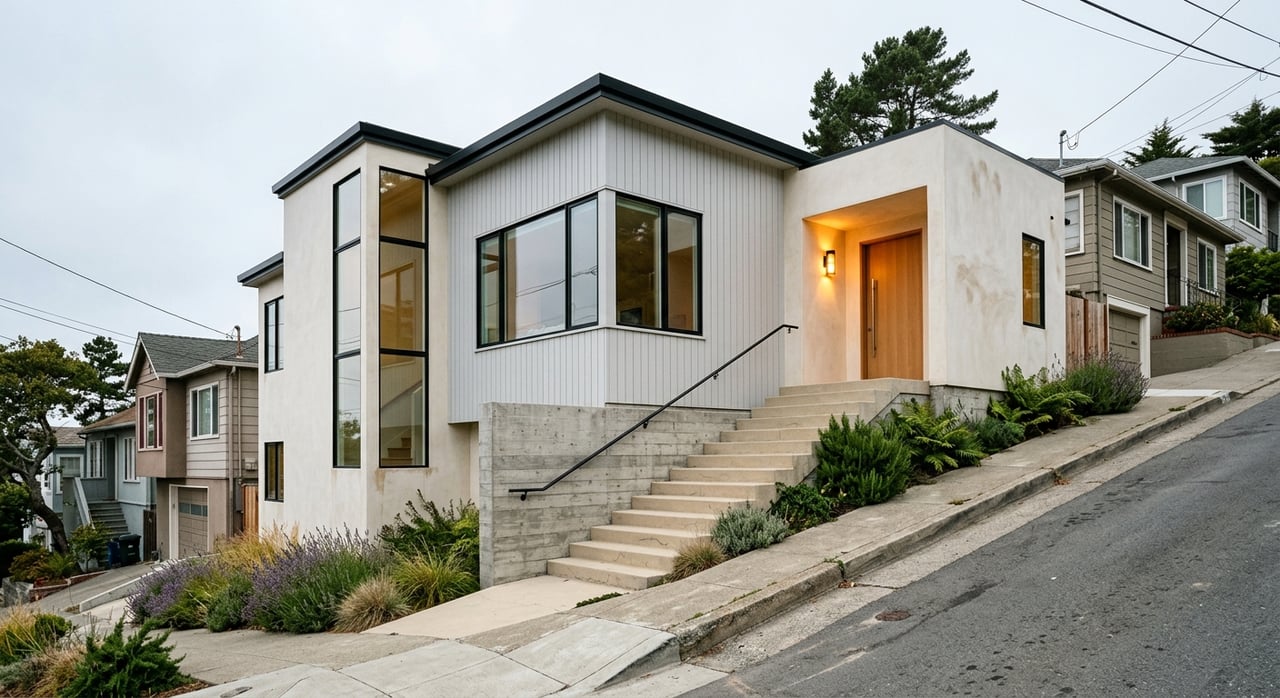
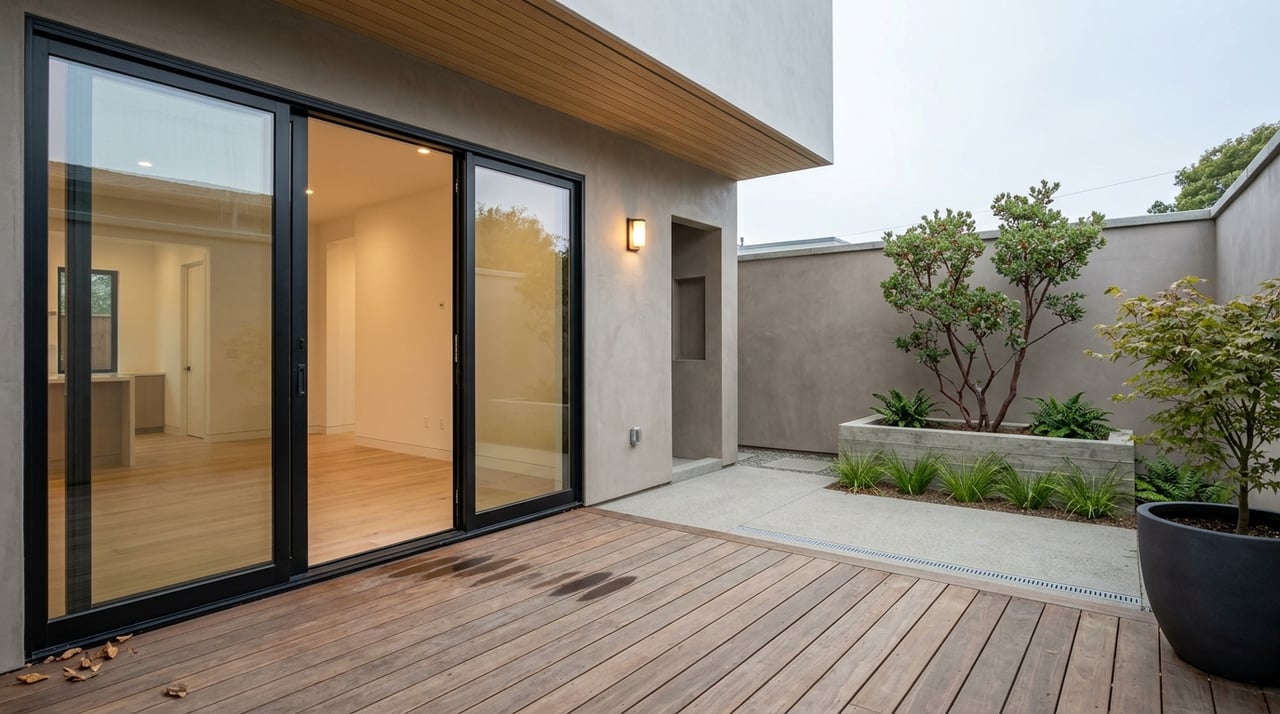
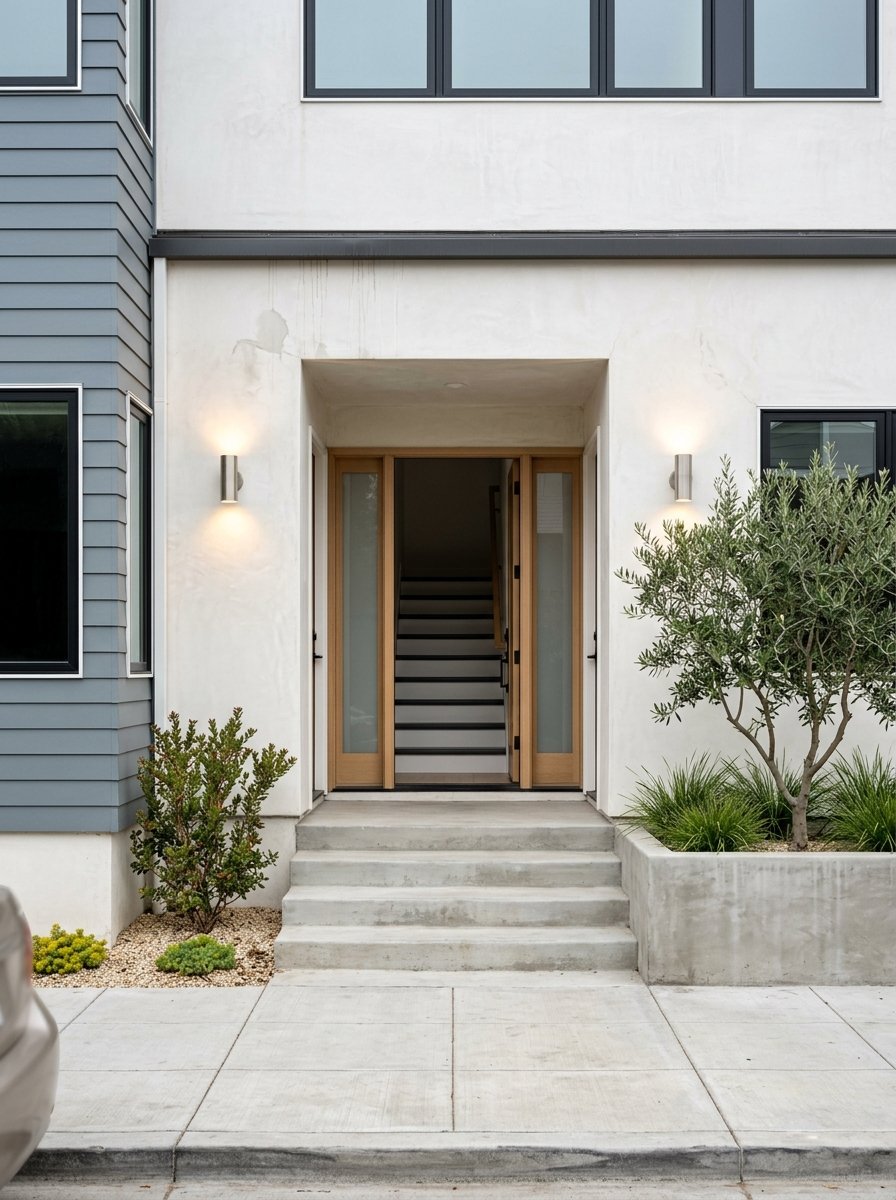
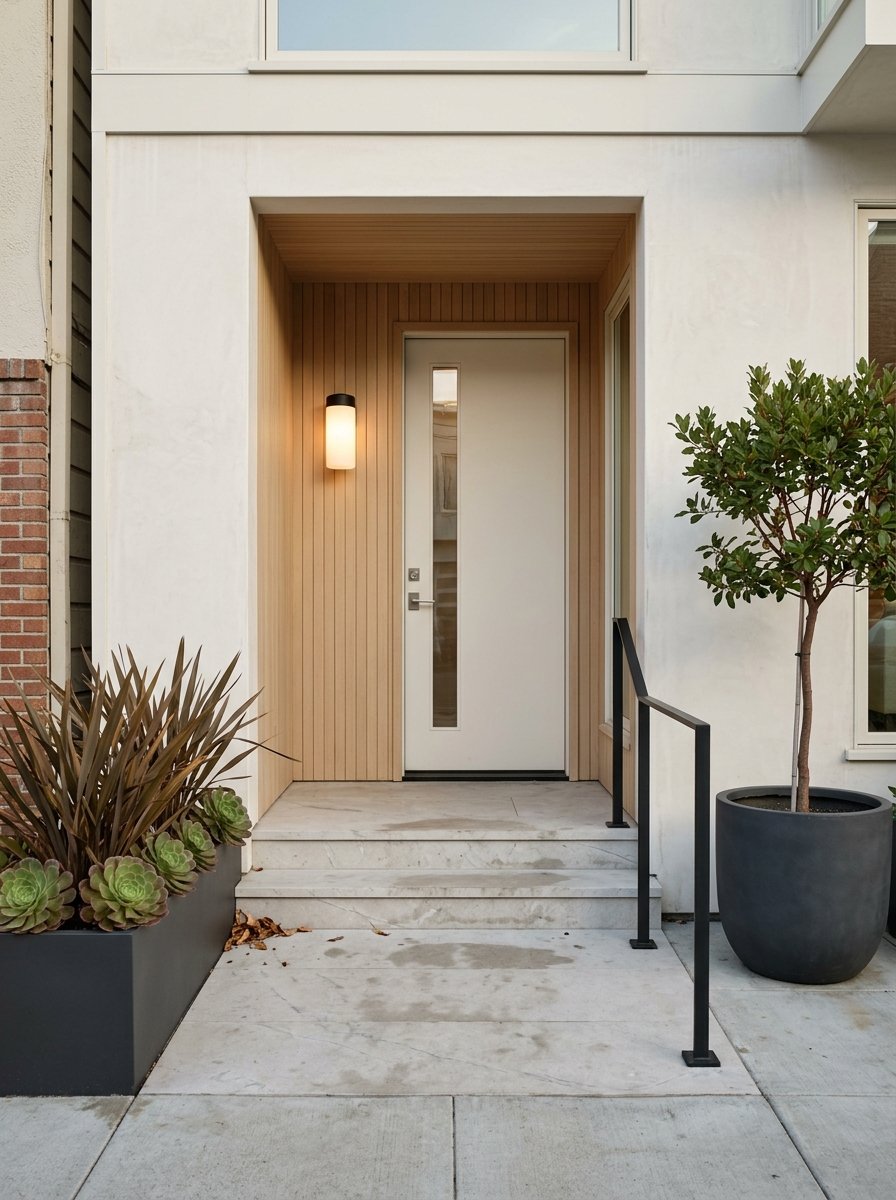
The Marina District is not a one-note housing market. According to San Francisco Planning, the neighborhood is predominantly residential and includes flats, apartment buildings, and single-family dwellings, with a historic pattern of two- to three-story-over-garage single-family and multi-family residences.
You will also see larger apartment buildings on corner lots and a strong Mediterranean and Spanish Revival character throughout the area. Some earlier apartment buildings were later converted into condos, which adds another layer to the current buying landscape.
That matters because buyers sometimes approach the Marina expecting one dominant product type. In reality, the inventory is mixed. Current listing snapshots show condos, houses, and multi-family options, so your search may include several categories even within a relatively compact neighborhood.
Marina homes: style and setting
Part of the Marina’s appeal is that its housing stock is closely tied to the neighborhood’s physical character. San Francisco Planning notes that the area developed rapidly between the wars on the site of the 1915 Panama-Pacific International Exposition, and today it still centers on high-end housing stock, parkland, and the Chestnut Street commercial district.
For you as a buyer, that often translates into a lower-rise residential feel with a strong sense of place. The architecture, block pattern, and access to open space all shape how the neighborhood lives day to day.
If walkability matters, the Marina stands out. Redfin reports a 94 Walk Score and a 91 Bike Score, which helps explain why many buyers are drawn to the neighborhood for everyday convenience as much as for the homes themselves.
Marina competition: how fast the market moves
If you are shopping in the Marina, speed matters. Redfin reports that homes here go pending in about 12 days and that most homes receive multiple offers.
That makes the Marina the fastest-moving of the three north-side neighborhoods compared in the research. Cow Hollow is also competitive at about 15 days, while Pacific Heights is somewhat slower at about 18 days, though both still see many multiple-offer situations.
Current supply is also relatively tight. Realtor.com shows 13 active for-sale listings in the Marina, with a median listing price of $1,196,500 and a median 44 days on market.
It helps to read those figures with context. Realtor.com and Redfin use different methodologies and time windows, so you should not expect list-price and sale-timing metrics to line up perfectly. Still, the broad takeaway is consistent: the Marina remains a seller-leaning, fast-moving market.
Marina vs. Cow Hollow vs. Pacific Heights
If you are deciding among north-side San Francisco neighborhoods, the Marina often stands apart on both lifestyle and price entry point. Based on the current asking-price snapshot in the research, the Marina is the lowest entry point of the three, while Pacific Heights and Cow Hollow are priced higher.
Here is a quick comparison based on the current market snapshot:
| Neighborhood | Active Listings | Median Listing Price | Median Days on Market | Market Pace |
|---|---|---|---|---|
| Marina District | 13 | $1,196,500 | 44 | Fast, multiple offers common |
| Cow Hollow | 7 | $2,399,500 | 46 | Very competitive |
| Pacific Heights | 55 | $1,895,000 | 52 | Competitive, somewhat slower |
Fit is just as important as numbers. The Marina is often the best match if you want waterfront access, parks, Chestnut Street amenities, and a more casual, lower-rise north-side lifestyle.
Cow Hollow offers a different feel. San Francisco Planning describes it as having detached single-family homes on higher ground, attached one- and two-family homes on smaller lots, and multi-family structures on corners and lower elevations, generally two to three stories.
Pacific Heights is the ridge-top contrast. The city’s General Plan describes a sequence of building heights rising up the north slope, with detached, landscaped residences and bay views.
In simple terms, the Marina tends to feel the most lifestyle-driven and immediate, Cow Hollow can feel more house-centric, and Pacific Heights offers a broader inventory and a grander residential setting. None of those is universally better. The right answer depends on how you want your daily life to work.
What fit really means in the Marina
For many buyers, “fit” is where the decision becomes clear. You may be drawn to the Marina if you want to be close to parks, near the waterfront, and able to enjoy daily errands and dining without relying heavily on a car.
You may also prefer the Marina if you like a neighborhood that feels active and social while still being primarily residential. Its lower-rise profile and mixed housing stock can create more variety from block to block than buyers sometimes expect.
At the same time, fit includes trade-offs. Because the Marina is one of the faster-moving north-side markets, you may need to act more quickly when the right property appears. If you prefer a longer decision window or a much broader active inventory, that is worth weighing early.
How to prepare for Marina competition
In a market where homes are going pending in about 12 days and many receive multiple offers, preparation is part of the strategy. You do not want to start getting organized only after you find the right place.
A practical approach usually includes:
- Having financing lined up before you tour seriously
- Reviewing disclosures quickly and carefully
- Knowing your must-haves versus your nice-to-haves
- Deciding in advance where you have flexibility on price, condition, or timing
- Being ready for a multiple-offer scenario
That preparation is consistent with the broader San Francisco market as well. The research notes that citywide, homes receive about four offers on average and sell in around 14 days, with a 114.9% sale-to-list ratio in May 2026.
The lesson is straightforward. In the Marina, clarity often gives you an edge. If you already know what fits your goals and where your limits are, you can move decisively without feeling rushed in the wrong way.
Seasonality and timing in the Marina
Timing still matters, even in a neighborhood that moves quickly most of the year. Realtor.com identifies mid-April as the national best week to sell, which is a useful seasonal benchmark.
Still, the Marina does not always wait for spring to create urgency. Good properties can attract attention quickly outside the peak season, especially when they align well with what buyers are actively looking for.
For you, that means two things. First, do not assume a slower month will eliminate competition. Second, if your timeline is flexible, it can help to stay ready rather than trying to time the market too precisely.
Buying with a sharper Marina strategy
A smart Marina search is usually less about seeing everything and more about seeing the right things quickly. Because inventory is mixed, your best opportunities may come from being open to different property types while staying disciplined about your actual priorities.
For example, if your main goal is Marina access and walkable daily living, a condo or converted apartment may compete with a house more than you initially expected. If your priority is a certain scale, layout, or ownership structure, then narrowing early can save time and strengthen your decision-making.
This is where local guidance matters. In a neighborhood where fit, speed, and housing type all intersect, a focused plan can help you avoid chasing listings that were never the right match in the first place.
If you are weighing the Marina against Cow Hollow or Pacific Heights, or want discreet guidance on what is available now and what may be coming to market, Beverly Barnett offers a private, high-touch approach shaped by deep north-side San Francisco market knowledge.
FAQs
What types of homes are available in the Marina District?
- The Marina has a mixed inventory that includes condos, single-family homes, flats, apartment buildings, and some multi-family properties.
How competitive is the Marina District housing market?
- Redfin reports that Marina homes go pending in about 12 days and that most homes receive multiple offers, making it a very competitive market.
How does Marina pricing compare with Cow Hollow and Pacific Heights?
- In the current snapshot from the research, the Marina has the lowest median listing price of the three, while Cow Hollow and Pacific Heights are higher.
Is the Marina District a good fit for walkable living?
- Yes. Redfin reports a 94 Walk Score and a 91 Bike Score, and the neighborhood is known for access to parks, the waterfront, and Chestnut Street amenities.
What should buyers do before making an offer in the Marina?
- Buyers should have financing in place, review disclosures quickly, understand their priorities, and be prepared for a possible multiple-offer situation.