Choosing between a condo and a flat in Cow Hollow sounds simple until you start looking closely. One home may offer classic San Francisco charm, another may promise easier upkeep, and both may sit just a few blocks apart with very different ownership rules, noise levels, and long-term costs. If you want a home that fits both your lifestyle and your resale goals, the details matter. Let’s dive in.
Why Cow Hollow Feels So Distinct
Cow Hollow has a layered housing pattern that developed over more than a century. According to San Francisco Planning, the neighborhood includes a rich mix of building types and architectural styles, with many two- and three-story structures and larger apartment buildings more common toward the northern edge.
That mix is a big reason your options can feel so varied. On one block, you may see Victorian or Edwardian homes. On the next, you may find Mediterranean, Tudor, Mission, Romanesque Revival, or California Craftsman influences. In practical terms, that means a classic flat and a more contemporary-feeling condo can coexist very naturally in the same neighborhood.
Cow Hollow also slopes northward from Pacific Heights toward the Marina, which affects light, views, and building form. Some homes benefit from sweeping Bay and Presidio outlooks, while others trade views for quieter placement or a more intimate residential feel.
Condo vs Flat in San Francisco
A flat describes form
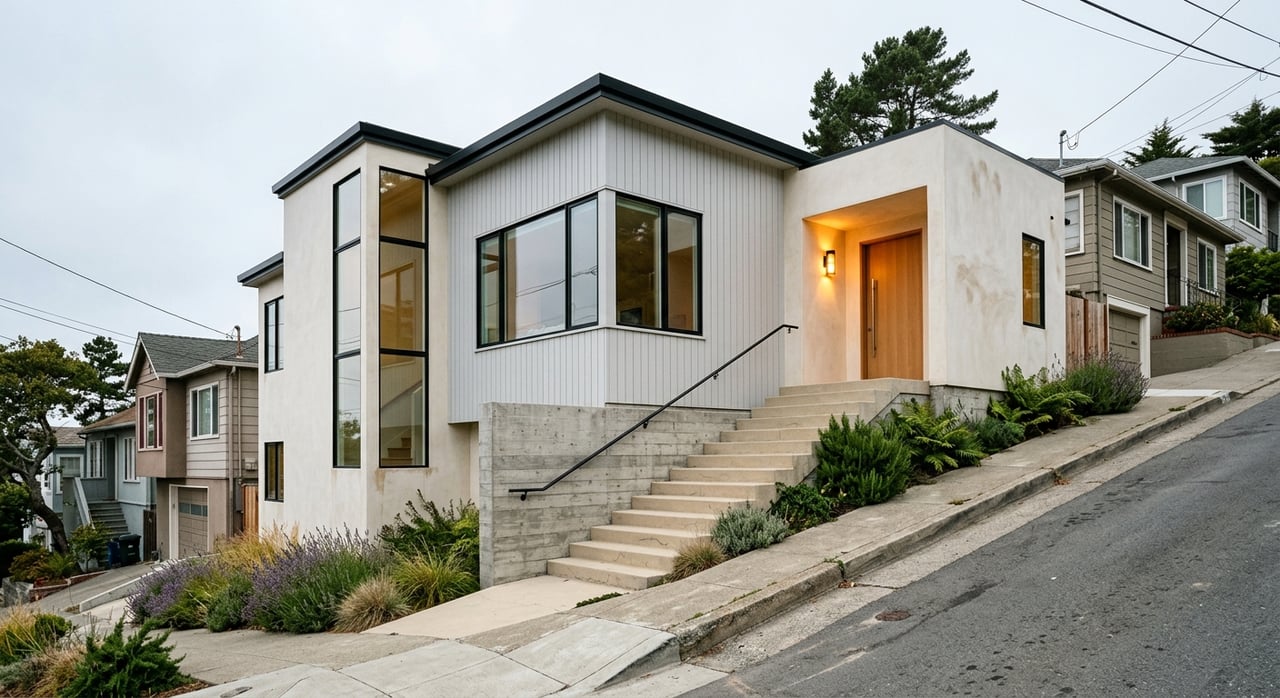
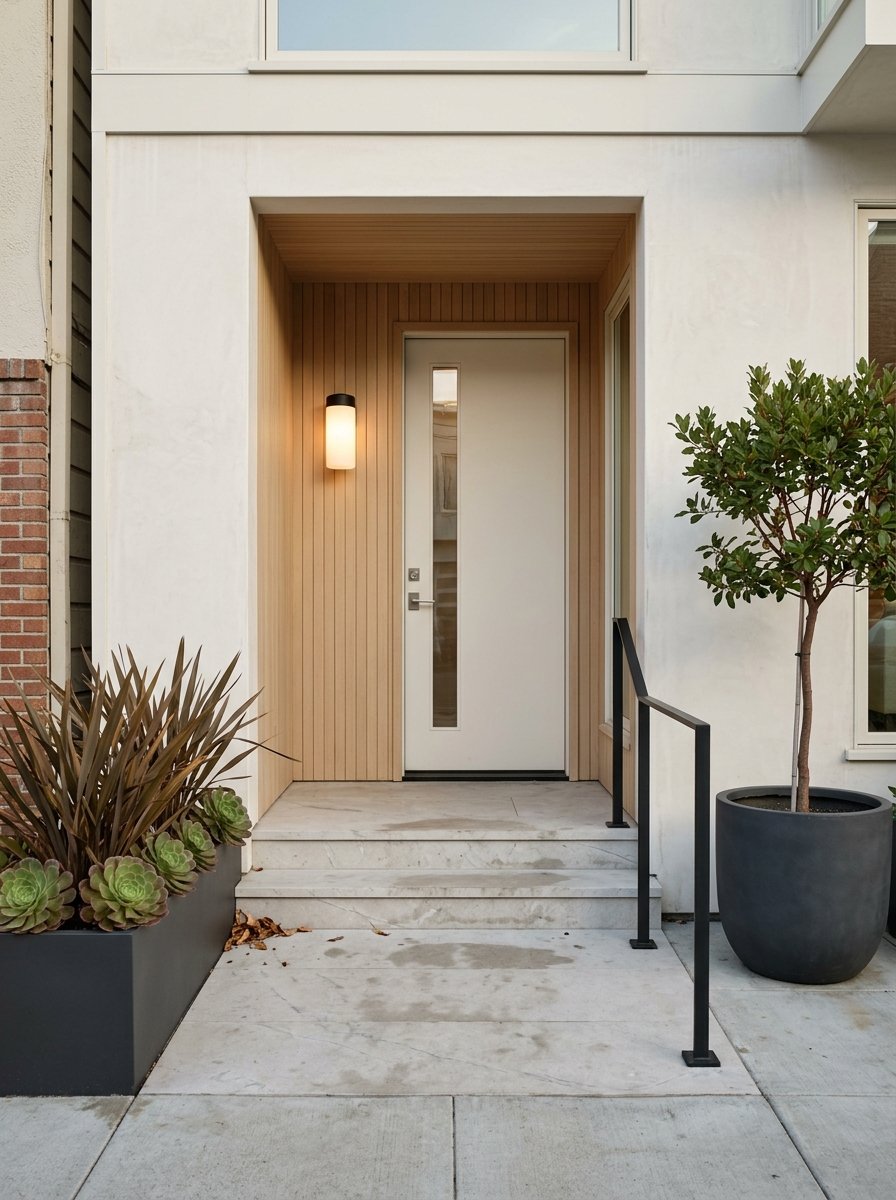
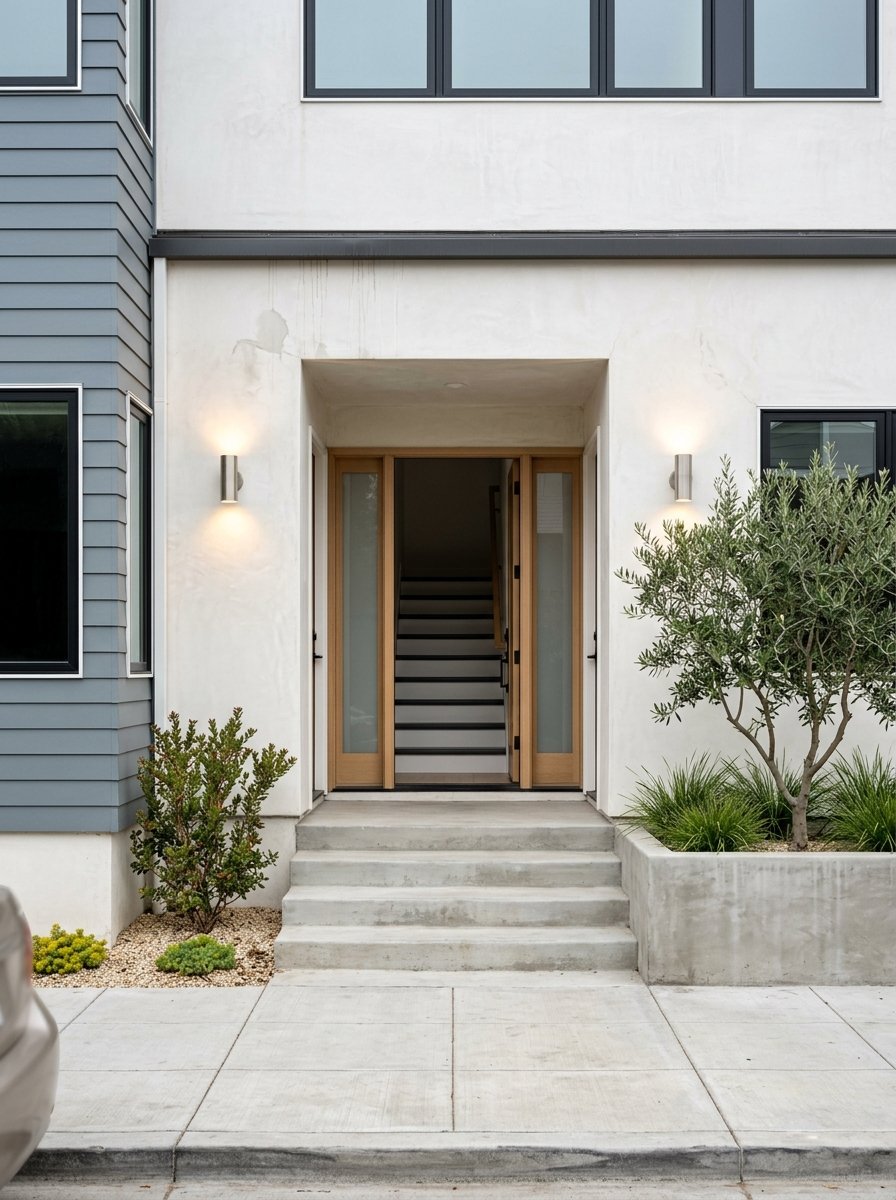
In San Francisco, a flat usually means a full-floor dwelling unit, often in a two- to four-unit building. Many flats have recessed or raised entry porches and may include storage or a garage below.
That physical layout often appeals to buyers who want a more house-like feel. You may get better separation from neighbors, a traditional floor plan, and architectural details that give the home a strong sense of place.
A condo describes ownership
A condominium is a legal ownership structure. It consists of a separate interest in the unit plus shared ownership of common areas.
This distinction matters because a home can look exactly like a classic San Francisco flat and still be legally deeded as a condo, a tenancy-in-common, or another form of ownership. You should never assume the ownership structure based on the exterior alone.
What to verify before you decide
If you are comparing Cow Hollow condos and flats, ask to review the title package and CC&Rs early. Those documents help clarify:
- What you actually own
- What is shared with other owners
- Which spaces are private or exclusive-use
- What rules apply to maintenance and use
- How decisions and costs are handled in the building
Choose Based on Lifestyle, Not Labels
The best fit in Cow Hollow is often less about whether a home is called a condo or a flat and more about how it balances character, upkeep, privacy, and location. Bedroom count matters, but it is rarely the only factor that shapes day-to-day satisfaction.
A classic flat may offer more architectural personality and a more intimate building scale. A condo may appeal if you want clearer shared systems or a more lock-and-leave setup. The right answer depends on how much maintenance you want to absorb and how you plan to use the property over time.
Look Closely at HOA Health
Assessments can change your true cost
If you are buying into a condo building or any shared ownership structure with an HOA, monthly dues are only part of the picture. The California Department of Real Estate says regular and special assessments are the primary HOA revenue sources, and special assessments may be used for major repairs, replacements, or new common-area construction.
That means a home with lower dues is not always the better value. If the building has delayed repairs or weak reserves, your future costs may be less predictable.
Reserve studies matter
Reserve studies are designed to estimate the long-term cost of major common-area components such as roofs, balconies, decks, gutters, exterior lighting, pavement, and elevators where applicable. In an older Cow Hollow building, this is especially important because age and character do not reduce maintenance needs.
Ask practical questions such as:
- When was the last reserve study completed?
- Has it been updated within the last three years?
- Has the HOA relied on repeated special assessments?
- Is there a growing reserve deficit?
According to the DRE, those last two items are red flags worth taking seriously.
Maintenance boundaries should be clear
The CC&Rs should also define what is common area, what is part of your private unit, and what counts as exclusive-use common area. This can affect decks, yards, balconies, and even front doors.
That distinction matters in real life. A lovely outdoor space feels very different if you enjoy it privately but still share maintenance responsibility through the HOA, or if repair responsibility falls directly on you.
Outdoor Space Has Extra Value Here
Cow Hollow’s planning guidelines place unusual emphasis on rear yards, mid-block open space, light, air, and views. Some rear-yard extensions are restricted to help protect those shared neighborhood qualities.
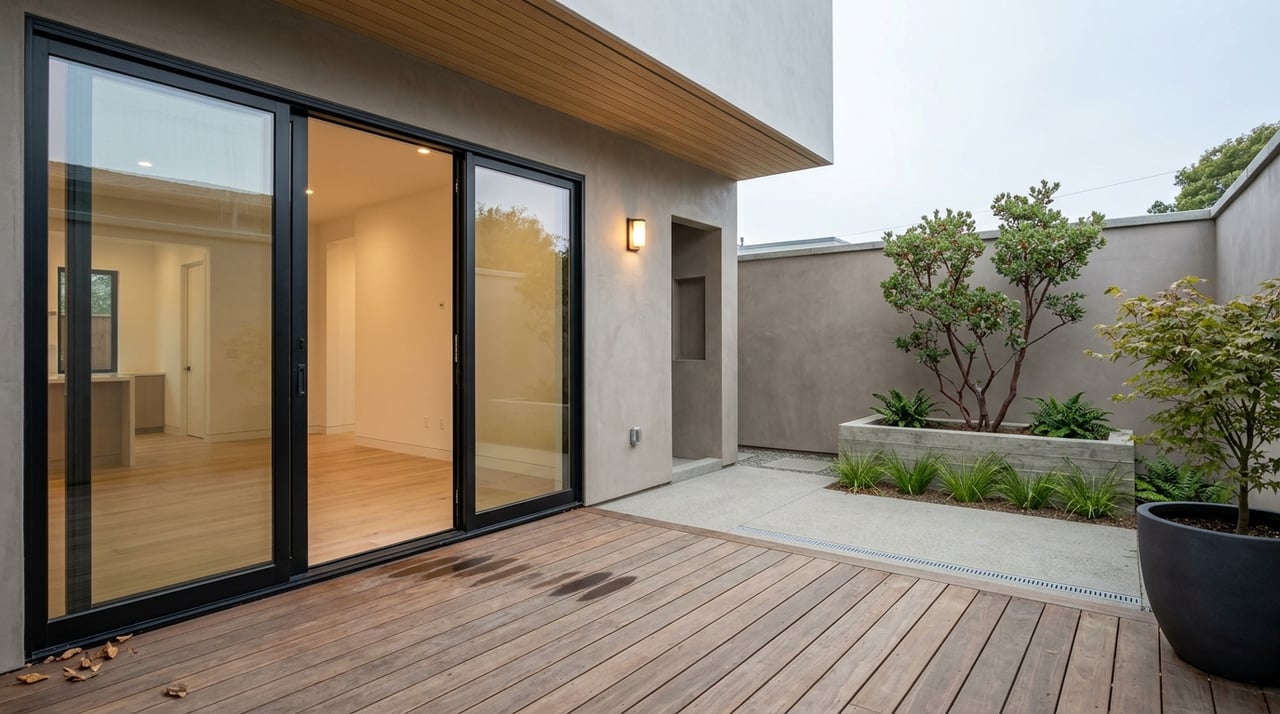
For you as a buyer, that means outdoor space can carry outsized value. A small balcony, rear patio, or usable yard may be more meaningful here than square footage alone suggests, especially if it feels quiet and functional.
Still, you should verify exactly what kind of outdoor space you are getting. A private-looking deck or patio may actually be exclusive-use common area, and the governing documents should spell out who maintains it.
Weigh Noise Against Convenience
Near Union Street and Chestnut Street
Union Street is Cow Hollow’s commercial hub, and Chestnut Street just north in the Marina is another active retail and restaurant corridor. These areas offer real lifestyle advantages, including walkability to shops, cafes, boutiques, bars, and recurring events.
That convenience can be a major plus if you want an energetic, connected daily routine. At the same time, homes closest to those corridors will usually experience more foot traffic, evening activity, and event noise.
Think about your daily rhythm
A showing can make almost any home feel calm for twenty minutes. What matters more is how the block feels in the morning, at commute hours, and later in the evening.
If you plan to use the home as a primary residence, many buyers find the strongest fit in a property with good natural light, modest but usable outdoor space, healthy reserves, and enough distance from the busiest parts of Union or Chestnut to preserve a residential feel.
Older Buildings Need Extra Diligence
For larger wood-frame buildings, San Francisco’s mandatory soft-story ordinance applies to buildings with five or more residential units, two or more stories over a soft or weak story, and original permits issued before January 1, 1978.
If you are considering an older Cow Hollow walk-up, verify retrofit status and permit history before assuming the building will be low-maintenance. A charming exterior does not tell you whether major structural work has already been handled or may still be ahead.
This is one area where a careful document review can protect both your budget and future resale position.
If Rental Flexibility Matters
Do not assume a Cow Hollow condo can be used like a hotel room or unrestricted short-term rental. San Francisco Planning states that short-term rentals are stays under 30 nights and require the host to be the permanent resident, along with required registrations.
If rental income is part of your decision, you need to confirm both city rules and the building’s own governing documents. Some buyers focus so heavily on finishes and location that they overlook use restrictions until late in the process.
A Simple Way to Choose the Right Fit
When you compare Cow Hollow condos and flats, use a framework that goes beyond style alone. The strongest decision usually comes from matching the property to the way you actually want to live.
Here is a practical shortlist to guide your search:
- Character: Do you want traditional San Francisco details and a full-floor feel?
- Ownership clarity: Have you confirmed whether the home is a condo, TIC, or another structure?
- HOA strength: Are reserves healthy, and does the building avoid repeated special assessments?
- Outdoor space: Is it truly usable, and who maintains it?
- Noise level: How close are you to Union Street or nearby activity corridors?
- Future maintenance: Has the building addressed major structural or deferred maintenance issues?
- Use rules: If flexibility matters, are rental rules and occupancy rules clear?
In Cow Hollow, the best home is often the one that balances classic neighborhood character with realistic ownership costs and day-to-day livability. That balance tends to support not only your experience in the home, but also your resale options later.
If you want help weighing a classic flat against a condo, reviewing building documents, or narrowing the right block and building type for your goals, Beverly Barnett offers discreet, high-touch guidance tailored to San Francisco’s micro-markets.
FAQs
What is the difference between a Cow Hollow condo and a Cow Hollow flat?
- In San Francisco, a flat usually describes the physical layout of a full-floor unit, while a condo describes the legal ownership structure. A home can look like a classic flat and still be legally owned as a condo or another structure.
What HOA documents should you review before buying a Cow Hollow condo?
- You should review the CC&Rs, budget information, reserve study, assessment history, and documents that define common area versus private or exclusive-use areas.
Why does outdoor space matter so much in Cow Hollow?
- Cow Hollow planning guidelines place high value on rear yards, light, air, and views, so a usable balcony, patio, or yard can have meaningful lifestyle and resale value.
How does Union Street affect Cow Hollow condo and flat buyers?
- Union Street offers walkable shops and restaurants, but homes closest to the corridor often trade some quiet for more foot traffic, evening activity, and event noise.
What should you check in an older Cow Hollow building before you buy?
- You should verify reserve funding, deferred maintenance, permit history, and whether a larger wood-frame building was subject to and completed any required soft-story retrofit work.
Can you use a Cow Hollow condo as a short-term rental?
- You should not assume you can. San Francisco rules require short-term rental hosts to be permanent residents and to complete required registrations, and building rules may add further limits.