If you want a San Francisco pied-à-terre, the Marina and Cow Hollow are two of the most compelling options, but they do not live the same way. Both neighborhoods are walkable, competitive, and highly desirable, yet the right fit often comes down to building type, block-by-block feel, and how you plan to use the home. If you are weighing a second home in either area, this guide will help you compare lifestyle, inventory, rules, and resale considerations with more confidence. Let’s dive in.
Marina vs. Cow Hollow at a glance
For many buyers, the decision starts with daily experience. The Marina sits between Lombard Street and the Bay, with Fort Mason and the Presidio helping frame its waterfront setting, while Cow Hollow climbs the slope from Pacific Heights down toward the Marina, giving it a more layered residential feel. According to San Francisco Heritage, those physical differences are part of why the neighborhoods feel distinct even though they are adjacent.
Current pricing also shows a meaningful gap. In March 2026, Redfin market data put the Marina District median sale price at $1.88M and Cow Hollow at $3.19M. The same source shows average days on market of 12 in the Marina and 22 in Cow Hollow, which reinforces that both markets are premium and fast-moving when a property is well positioned.
Here is the simplest way to think about the tradeoff:
- Marina often offers a lower entry point, easier access to waterfront recreation, and more condo-oriented inventory.
- Cow Hollow tends to feel more residential, with more attached and detached home options and a higher current price point.
- Both have strong walkability, with a 94 Walk Score in each neighborhood according to Redfin.
Why the Marina appeals to pied-à-terre buyers
If your goal is a lock-and-leave home with easy access to parks, water views, shops, and dining, the Marina often rises to the top. SF.gov’s Chestnut Street guide highlights boutiques, cafés, restaurants, bars, and the nearby Palace of Fine Arts, all of which support a compact and convenient city lifestyle.
Outdoor access is another major draw. Marina Green is an official neighborhood park, and nearby Crissy Field in the Presidio offers space to walk, bike, picnic, bird-watch, or spend time by the beach. For a second-home owner who wants San Francisco to feel active and effortless, that mix is hard to ignore.
The housing stock also supports this style of ownership. According to SF Planning housing data, the Marina planning district is 51% 10+ unit buildings and 13% single-family homes. In practical terms, that means you are more likely to encounter condos, flats, and apartment-style residences that suit part-time ownership.
Why Cow Hollow may be the better fit
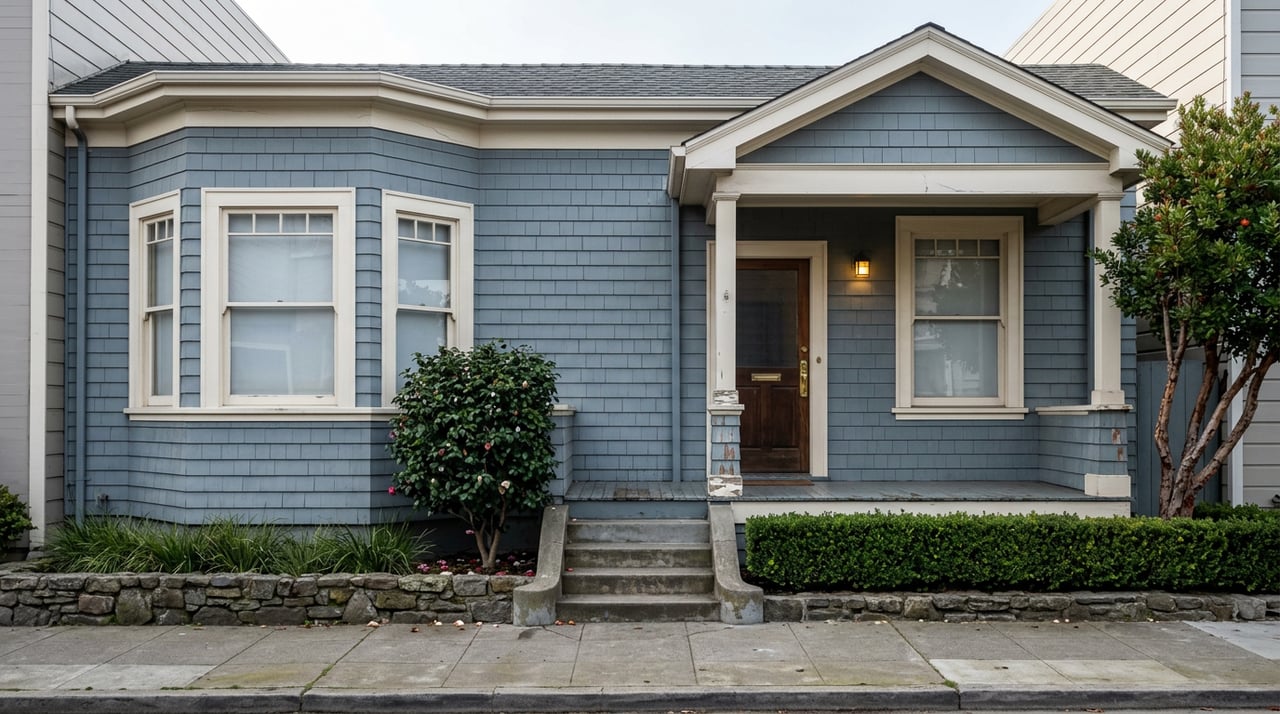
Cow Hollow often appeals to buyers who want a pied-à-terre that feels quieter and more residential, even while staying close to shops and restaurants. San Francisco Planning’s Cow Hollow design guidelines describe a neighborhood with larger detached homes on higher ground, one- and two-family attached homes on smaller lots, and multifamily structures on corner lots and lower-elevation areas.
That mix can matter if you want more privacy, a lower-density streetscape, or a home that feels less like a classic condo building. The same planning guidelines note that Cow Hollow is predominately two and three stories, with a hillside setting, open mid-block spaces, and valued views. That generally gives the neighborhood a more residential tone than the Marina.
Cow Hollow still offers a lively commercial hub. SF.gov’s Union Street guide describes Union Street as a long-time destination with specialty shops, services, restaurants, coffee shops, gyms, cycle shops, yoga, spas, boutiques, and sports bars. The key difference is that the buzz is concentrated on Union Street and nearby blocks, while many side streets remain more residential in character.
Building types you are most likely to find
For a pied-à-terre purchase, inventory type matters as much as location. Your buying experience can be very different depending on whether you are considering a unit in a larger building, a top-floor flat, or a house-like residence with shared walls.
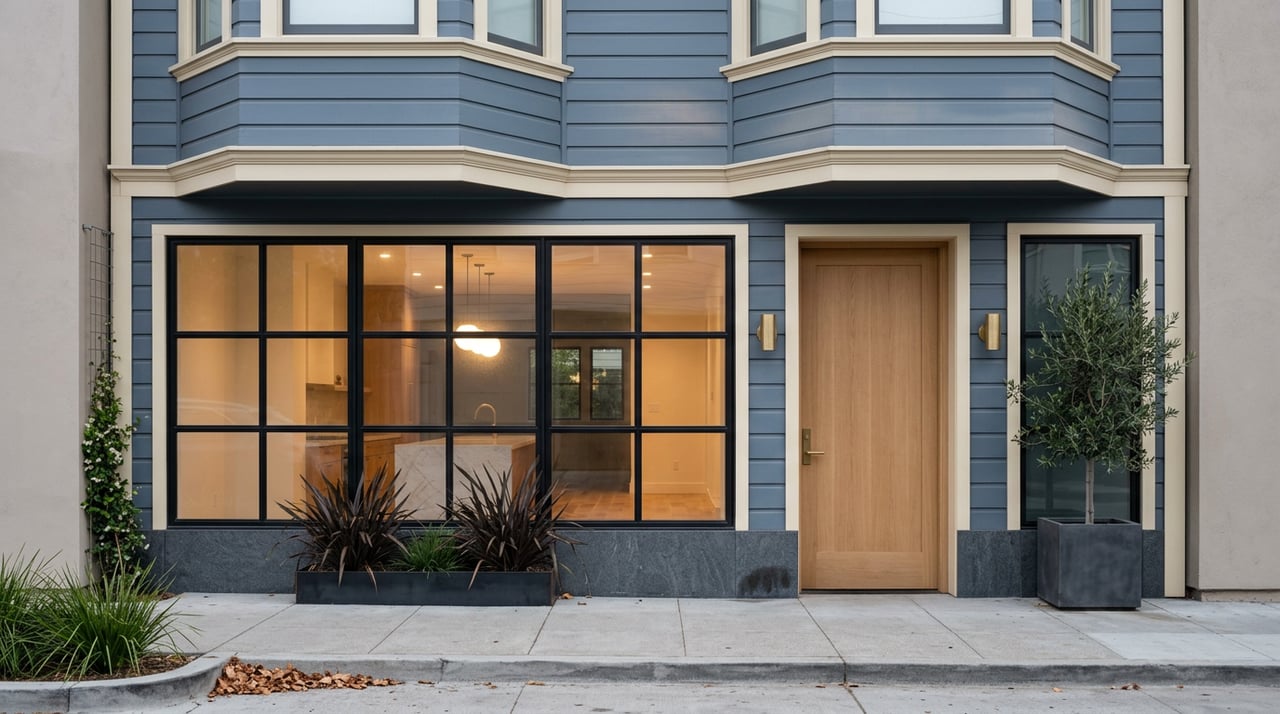
In the Marina, the building stock was largely developed in the 1920s and 1930s on former fairground and filled land. SF Planning notes that many buildings feature textured stucco, red clay tile roofs, and wrought iron details, with Art Deco influences more common in larger corner apartment buildings and along Chestnut Street. If you are drawn to classic San Francisco charm in a condo-friendly format, the Marina often delivers that combination.
Cow Hollow usually presents a broader range of low-rise housing forms. Based on the Cow Hollow design guidelines, you may see more attached homes, detached residences on higher ground, and smaller multifamily buildings integrated into the neighborhood fabric. For some buyers, that translates to a pied-à-terre that feels more like a private residence than a typical city crash pad.
HOA and rental rules to review early
If you are buying a condo or any common-interest property, the HOA documents deserve close attention. The California Attorney General’s HOA overview explains that associations are governed by CC&Rs, bylaws, and operating rules, and buyers should understand how those documents affect use of the property.
This is especially important if you are assuming future rental flexibility. The city’s short-term rental rules state that the host must use the unit as a primary residence, un-hosted rentals are generally limited to 90 nights per calendar year, and secondary or vacation homes without permanent residents do not qualify for permission. The city also notes that HOA rules may prohibit short-term rentals even if city rules would otherwise allow them.
Long-term rental assumptions also need a reality check. Under San Francisco rental law guidance, rules can vary based on building age, unit type, and tenancy history. Many units built on or before June 13, 1979 have rent control and eviction protections, while most single-family homes and condos are exempt from local rent-increase limits for tenancies that began on or after January 1, 1996, though just-cause protections may still apply.
Before you buy, make sure you review:
- HOA rules on rentals, pets, renovations, and guest policies
- Monthly dues and any planned special assessments
- Building age and whether local rental rules may apply
- Whether your intended use is truly second-home ownership or partly income-driven
Noise, parking, and block-by-block feel
A pied-à-terre works best when the block fits your lifestyle. In both neighborhoods, the difference between a calm retreat and a high-energy city experience can be just a few streets.
In the Marina, blocks near Chestnut Street generally place you closer to restaurants, bars, and retail, while areas near Lombard can feel more traffic-oriented. The waterfront edge adds major lifestyle value, but SF.gov notes that Marina Green has limited street parking, which is worth factoring in if you plan to drive regularly.
In Cow Hollow, Union Street is the key activity zone. You may love that energy if you want to step out to coffee, fitness studios, or dinner, but quieter interior blocks often offer a more residential rhythm. Redfin data show both neighborhoods have a 94 Walk Score, with transit scores of 67 in the Marina and 68 in Cow Hollow, so daily convenience is strong in either location.
If you value cycling, the Marina has an edge. The same Redfin neighborhood data show a bike score of 91 for the Marina compared with 70 for Cow Hollow. That may matter if your ideal second home includes easy rides along the waterfront or through the Presidio.
Environmental and due diligence factors
In the Marina, due diligence should include a careful look at ground conditions. SF Planning’s Marina context statement explains that the district was built on marshy ground and fill, and that the 1989 Loma Prieta earthquake caused liquefaction damage in several apartment buildings.
That does not mean the neighborhood is off-limits. It does mean you should be disciplined about review. SF.gov advises buyers to use city information tools when evaluating property conditions, and the research specifically notes checking the Property Information Map for liquefaction, flood zones, slope, and other environmental conditions before moving forward.
For a pied-à-terre buyer, this step is not just about risk. It is also about resale, insurance, and peace of mind. In a highly competitive and high-value market, informed diligence is part of buying well.
Resale outlook for compact luxury homes
No one can guarantee appreciation, but current market activity suggests both neighborhoods remain liquid when the product and pricing are right. According to Redfin’s market data, Marina homes are selling for about 107.6% of list price on average, while Cow Hollow homes are selling for about 6% above list price.
For you, that is a useful signal. Well-located, well-presented homes in these neighborhoods can attract strong demand, especially when the block, condition, and layout match what buyers want from a second home. That is one reason exact building selection matters so much.
Which neighborhood fits your goals?
The Marina is often the better choice if you want a classic San Francisco pied-à-terre with condo-friendly inventory, excellent waterfront access, and a lively, walkable routine centered on Chestnut Street and nearby parks. It can be especially appealing if you picture your second home as a low-maintenance base for weekends, work trips, and time by the Bay.
Cow Hollow may be the stronger fit if you want a more residential setting, a broader mix of low-rise properties, and a pied-à-terre that feels slightly more tucked away while still keeping Union Street close at hand. If privacy, quieter side streets, or house-like character matter most, Cow Hollow deserves serious attention.
In either neighborhood, the smartest approach is to evaluate the exact block, building type, HOA restrictions, and intended use before you decide. If you want discreet guidance on finding the right fit in San Francisco’s north-side luxury market, connect with Beverly Barnett to schedule a private consultation.
FAQs
Is the Marina or Cow Hollow better for a San Francisco second home?
- The Marina is often better for buyers who want condo-oriented inventory, waterfront access, and an easy lock-and-leave lifestyle, while Cow Hollow may suit buyers who prefer a more residential setting and a wider mix of low-rise homes.
Are short-term rentals allowed for a pied-à-terre in the Marina or Cow Hollow?
- San Francisco says short-term rental permission generally requires the unit to be your primary residence, and secondary or vacation homes without permanent residents do not qualify, so many pied-à-terre buyers should not assume short-term rental use is allowed.
What types of homes are common in the Marina District?
- SF Planning data show the Marina has a high share of 10+ unit buildings, which helps explain why buyers often find condos, flats, and apartment-style homes there.
What types of homes are common in Cow Hollow?
- Cow Hollow includes larger detached homes on higher ground, attached one- and two-family homes, and some multifamily buildings, giving it a more mixed low-rise residential feel.
Should Marina buyers worry about liquefaction or fill conditions?
- Marina buyers should review property-specific due diligence carefully because SF Planning notes the area was built on marshy ground and fill, and city tools can help identify liquefaction, flood, and other environmental conditions.
Do HOA rules matter when buying a pied-à-terre in San Francisco?
- Yes, HOA documents can shape whether pets, rentals, renovations, and certain uses are allowed, so they should be reviewed early in the buying process.