Selling a long-held Sea Cliff home is rarely just a real estate decision. It often involves family history, estate logistics, tax questions, property condition, and the pressure to make the right call in a high-value market. If you are navigating a legacy home sale in Sea Cliff, this guide will help you understand the key issues, avoid common missteps, and plan a strategy that fits your goals. Let’s dive in.
Why Sea Cliff legacy sales are different
Sea Cliff stands apart from many San Francisco neighborhoods because it is largely a single-family home market. According to San Francisco Planning’s 2025 housing inventory, the Sea Cliff analysis neighborhood includes 711 single-family homes out of 990 total units. That matters because many sales here involve detached homes with larger lots, more individualized condition issues, and stronger emphasis on architecture, landscaping, and curb appeal.
Pricing also raises the stakes. Recent Redfin data places Sea Cliff’s median sale price at $3.9 million, even after a year-over-year decline of 18.6%. For many families, that means a sale may involve substantial equity, a meaningful transfer tax bill, and careful planning around net proceeds.
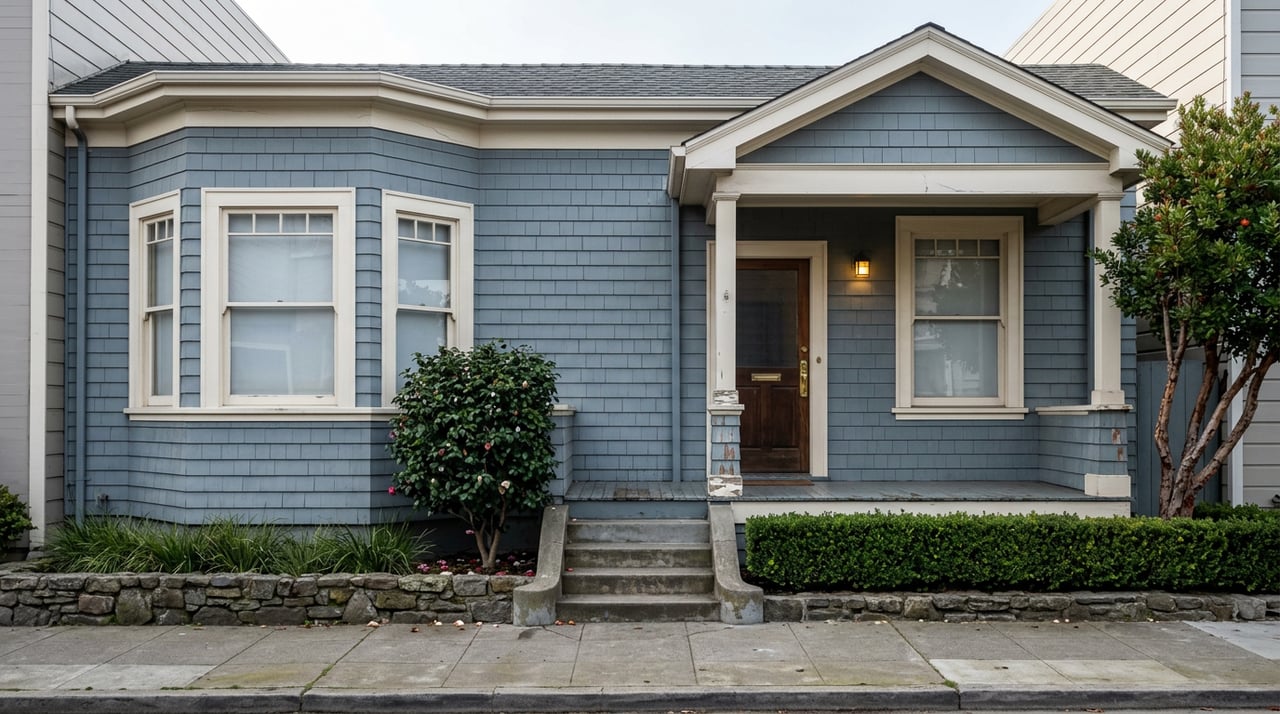
Sea Cliff’s physical character adds another layer. San Francisco Planning describes curving streets, landscaped medians, shallow front yards, and original neighborhood design features that shape how these homes present. In practice, that means original architectural details, site appearance, and exterior presentation can play an important role in how buyers perceive value.
Start with authority and title
Before you think about photography, staging, or pricing, confirm who has legal authority to sell. In California, probate is the court process used to transfer or inherit property after an owner dies, although some homes pass outside probate depending on how title was held, whether a trust exists, or whether survivorship rights apply.
If probate is required, the court appoints a personal representative. That representative may need to inventory and appraise estate property as part of the process. California courts also note that small-estate affidavit procedures generally do not transfer real property, so families should not assume a simplified process will work for a house.
This is one of the first areas where timing can be lost. If multiple family members are involved, or if title is unclear, it is worth resolving authority early so the sale process does not stall once a buyer is ready to move forward.
Full vs. limited probate authority
Not every probate sale works the same way. California Judicial Council probate forms distinguish between full and limited authority under the Independent Administration of Estates Act.
That difference matters because limited authority does not permit a real property sale without court supervision. If the estate has full authority, a sale may proceed without court confirmation. If not, the sale may require additional court involvement, which can affect timing, certainty, and the marketing strategy you choose.
Understand the tax picture early
One of the biggest mistakes in a Sea Cliff legacy sale is waiting too long to analyze taxes. In a high-value neighborhood, even a small planning oversight can meaningfully affect your net.
For federal tax basis, inherited property generally receives a basis equal to fair market value on the date of death, or the alternate valuation date if the estate elects that option. That date-of-death value can be central when estimating potential capital gains exposure.
At the local level, San Francisco’s secured property tax rate for fiscal year 2025-26 is 1.18268325%. The San Francisco Treasurer & Tax Collector also notes that a change in ownership generally triggers reappraisal under state law. For families deciding whether to sell, keep, or transfer a home, that reassessment issue should be part of the discussion from the start.
Proposition 19 and inherited homes
California’s Proposition 19 changed the old parent-child reassessment rules. Relief may still be available for an inherited family home, but the heir generally must occupy the property as a principal residence and file the required claim. Rental or vacation use does not qualify.
That means a family home cannot simply remain an investment property and still expect the same reassessment treatment that may have existed under prior rules. If your decision involves both lifestyle and financial factors, this is a key issue to review before choosing whether to sell or hold.
Transfer tax can affect the bottom line
San Francisco transfer taxes are especially important in Sea Cliff’s price range. The city uses a tiered real property transfer tax schedule, with higher rates applying at larger consideration amounts, including tiers that step up to 2.25%, 2.75%, and 3.00%.
For that reason, transfer tax should be part of your pre-listing net sheet, not a last-minute closing surprise. On a multimillion-dollar sale, the numbers can be significant.
Review disclosures and property condition
Legacy homes often come with deferred maintenance, older systems, and incomplete records. Even when a home has been lovingly held for decades, buyers will still evaluate present-day condition.
The California Department of Real Estate says most 1-to-4 unit residential resales require a Real Estate Transfer Disclosure Statement and, when applicable, a Natural Hazards Disclosure. These forms are part of the broader disclosure package, but they are not a substitute for inspections or warranties.
There is an important estate-sale nuance here. The same DRE guidance says transfers by a fiduciary in the administration of a decedent’s estate, guardianship, conservatorship, or trust may be exempt from the standard disclosure requirements in that section. Even so, brokers still have a duty to disclose material facts they know or can observe through a reasonable inspection.
In practical terms, families should still expect a thoughtful condition review. A careful pre-listing inspection strategy can help you decide whether to sell as-is or address select items before going to market.
Death on the property disclosure rules
Families often worry about whether they need to disclose a former owner’s death. California Civil Code section 1710.2 says the occurrence of an occupant’s death, or the manner of death, is not required to be disclosed if the death occurred more than three years before the buyer’s offer.
This rule applies to a death on the property, not simply the death of a prior owner somewhere else. For long-held family homes with layered histories, that distinction can matter.
Check for historic or preservation review
Some Sea Cliff homes have architectural features or exterior elements that deserve a closer look before work begins. San Francisco Planning states that exterior alterations can trigger preservation review, and Article 10 historic districts require a Certificate of Appropriateness or Administrative Certificate of Appropriateness for exterior work that needs a permit.
If you are considering new windows, doors, siding, or changes to landscape features, confirm whether the property has preservation constraints before starting. This is especially important when your sale strategy includes pre-listing improvements, because changes intended to help the sale can create delays if they require review.
Choose the right sale strategy
When families sell a legacy home, the right marketing plan often comes down to three priorities: privacy, timing, and price. There is no single answer for every property.
A public listing usually offers the broadest exposure and the best chance to create competition. In a neighborhood like Sea Cliff, where homes are highly individual and buyers may be waiting for specific opportunities, broad exposure can help surface the strongest market response.
A more discreet process can make sense when the family wants fewer visitors, tighter control over access, or a quieter transition. That is a strategic choice, not a legal requirement, and it should be matched to the property and the family’s comfort level.
Court confirmation can change the process
If a sale is subject to court confirmation, the property may be presented at a hearing where higher bids can be made. That possibility can introduce another layer of competition, but it can also create uncertainty for the initial buyer and add time to the transaction.
For some families, that structure supports a maximize-price goal. For others, a smoother and more private path may matter more. The right choice depends on your authority, timeline, and priorities.
A smart pre-listing sequence
In most Sea Cliff legacy sales, a clear order of operations can reduce stress and prevent expensive rework. A practical sequence looks like this:
- Confirm who has authority to sign.
- Determine whether the property is in probate or trust administration.
- Calculate date-of-death basis and reassessment exposure.
- Inventory deferred maintenance and condition issues.
- Decide whether to sell as-is or complete selective improvements.
- Choose between broad public exposure and a more discreet marketing path.
This kind of structured approach matters in Sea Cliff because the homes are valuable, highly specific, and often emotionally significant to the family. Good planning can protect both price and peace of mind.
Presentation still matters in an as-is sale
Selling as-is does not mean selling without preparation. In Sea Cliff, buyers often respond strongly to presentation, especially when the home’s architecture, landscaping, and original details are part of the story.
That may mean focusing on selective improvements rather than a full renovation. It may also mean thoughtful staging, polished photography, and a marketing plan that highlights the property’s setting, scale, and long-term potential.
For families who want guidance without taking on unnecessary work, a measured pre-sale strategy can help you improve marketability while respecting the home’s history and your timeline.
Final thoughts on Sea Cliff legacy home sales
A Sea Cliff legacy home sale is part legal process, part financial planning, and part market positioning. When you understand title, probate authority, tax exposure, disclosure rules, preservation considerations, and sale strategy before listing, you put yourself in a much stronger position to make confident decisions.
In a neighborhood where single-family homes dominate and sale prices remain substantial, details matter. The right preparation can help your family protect value, reduce surprises, and choose a path that fits both practical needs and personal priorities.
If you are considering the sale of a long-held Sea Cliff property and want a tailored strategy around preparation, presentation, privacy, and pricing, Beverly Barnett can help you evaluate the smartest next step.
FAQs
What makes a Sea Cliff legacy home sale different from other San Francisco sales?
- Sea Cliff is largely a single-family home neighborhood, and many properties have significant value, distinctive architecture, and site-specific presentation factors that can affect sale strategy.
Can you sell an inherited Sea Cliff home before probate is complete?
- It depends on how title is held and what authority the personal representative has. Some homes pass outside probate, while others require probate administration and may need court supervision for a sale.
What does limited authority mean in a California probate home sale?
- Limited authority means the personal representative cannot sell real property without court supervision, which can affect timing and the structure of the transaction.
How is tax basis determined for an inherited Sea Cliff property?
- In general, inherited property receives a basis equal to fair market value on the date of death, or the alternate valuation date if that option is elected by the estate.
Does Proposition 19 affect inherited family homes in California?
- Yes. Relief from reassessment may still be available, but the heir generally must occupy the inherited home as a principal residence and file the required claim.
Are standard seller disclosures required for a Sea Cliff estate sale?
- Some fiduciary transfers may be exempt from the standard disclosure requirements described by the California Department of Real Estate, but brokers still must disclose known or observable material facts.
Do you have to disclose a death at a Sea Cliff home?
- California law says a death on the property generally does not need to be disclosed if it occurred more than three years before the buyer’s offer.
Should you renovate a legacy home before listing it in Sea Cliff?
- Not always. The better approach is to review condition, preservation considerations, and likely return on investment, then decide whether selective improvements or an as-is sale best fit your goals.