If you are thinking about selling on Lake Street, one question matters more than almost any other: which upgrades actually help you net more? In a luxury micro-market where buyers move quickly for the right home, it is easy to overspend on the wrong project or miss the updates that shape first impressions. This guide will help you focus on the pre-sale improvements most likely to matter in Lake Street, based on San Francisco ROI data, local market conditions, and what recent buyers have rewarded. Let’s dive in.
Why strategy matters on Lake Street
Lake Street is a small, highly competitive pocket of San Francisco, and that makes smart preparation especially important. Redfin’s March 2026 neighborhood data showed a median sale price of $3,487,500, 40 days on market, a 106.1% sale-to-list ratio, and 50% of homes sold above list price, but only four homes sold that month, so those figures are best used as directional context.
The broader San Francisco market is also competitive. Redfin reported that city homes were selling in about 14 days and receiving around four offers, while luxury sales in San Francisco rose 22.2% year over year in March 2026. In that same luxury segment, the median sale price reached $6,808,561 and the typical luxury home went under contract in 12 days.
That pace tells you something important. Buyers are still competing for standout homes, but they are most responsive to properties that feel polished, cohesive, and move-in ready.
Focus on upgrades that buyers see
For Lake Street sellers, the strongest pre-sale plan is usually not a full gut renovation. It is a targeted refresh that improves curb appeal, updates visible finishes, and presents the home in a way that feels turnkey.
Recent local sales support that approach. Homes that drew attention highlighted features like open kitchens, strong natural light, skylights, indoor-outdoor connection, white oak floors, and well-executed finishes. In other words, buyers appeared to reward design quality, flow, and livability more than decorative spending alone.
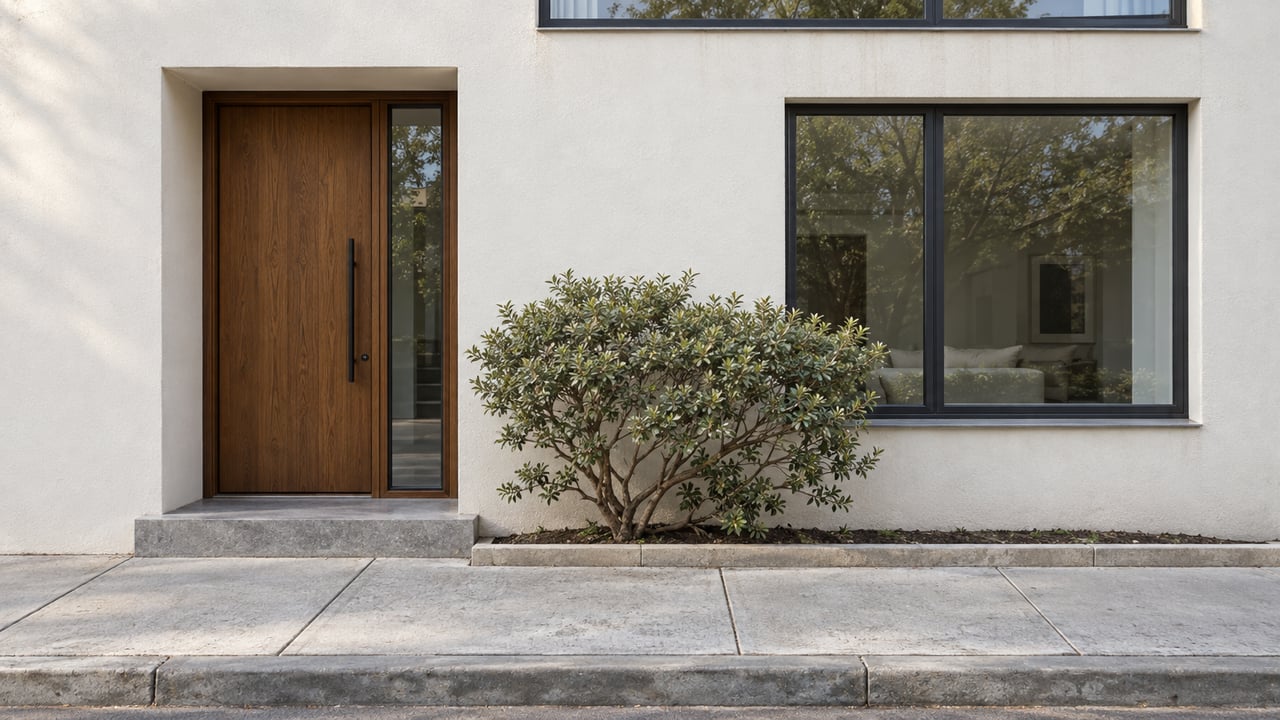
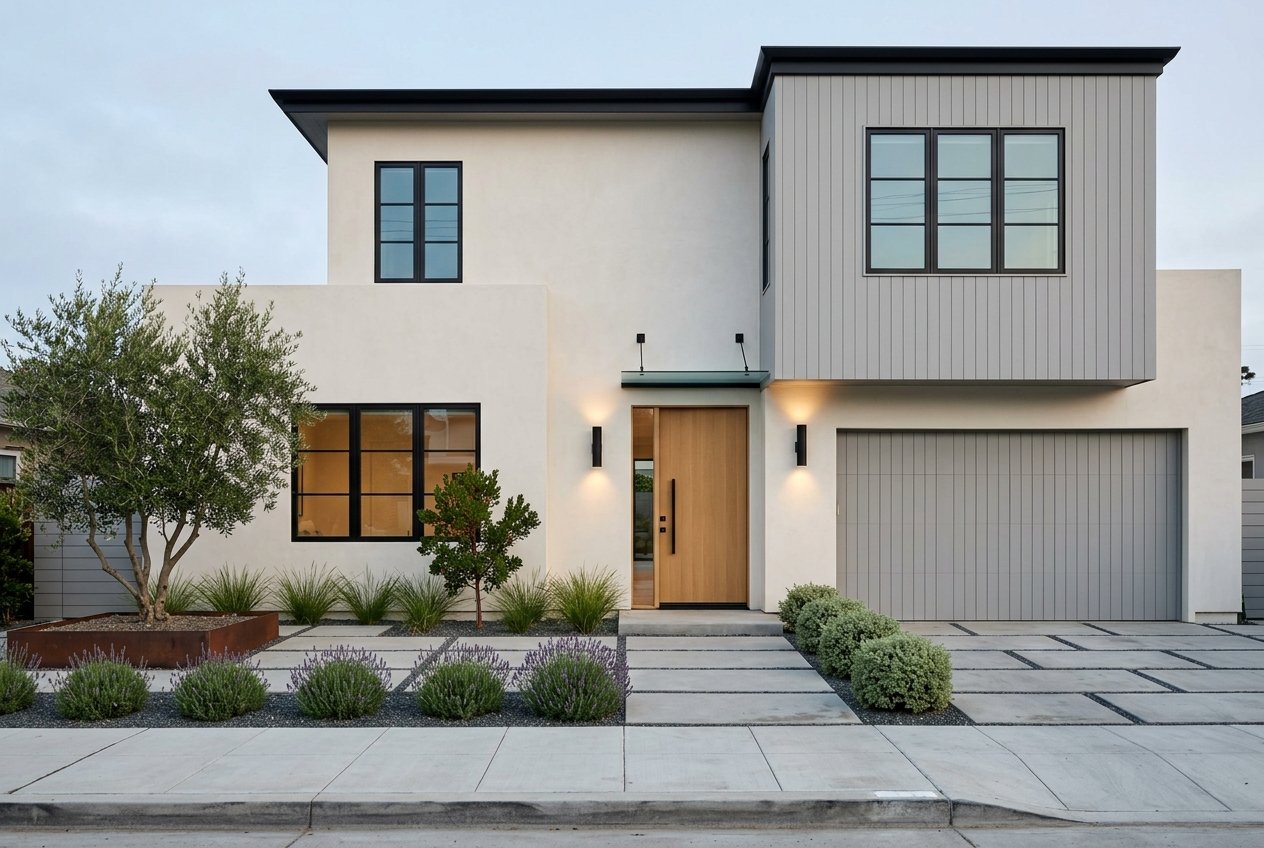
Start with curb appeal and exterior updates
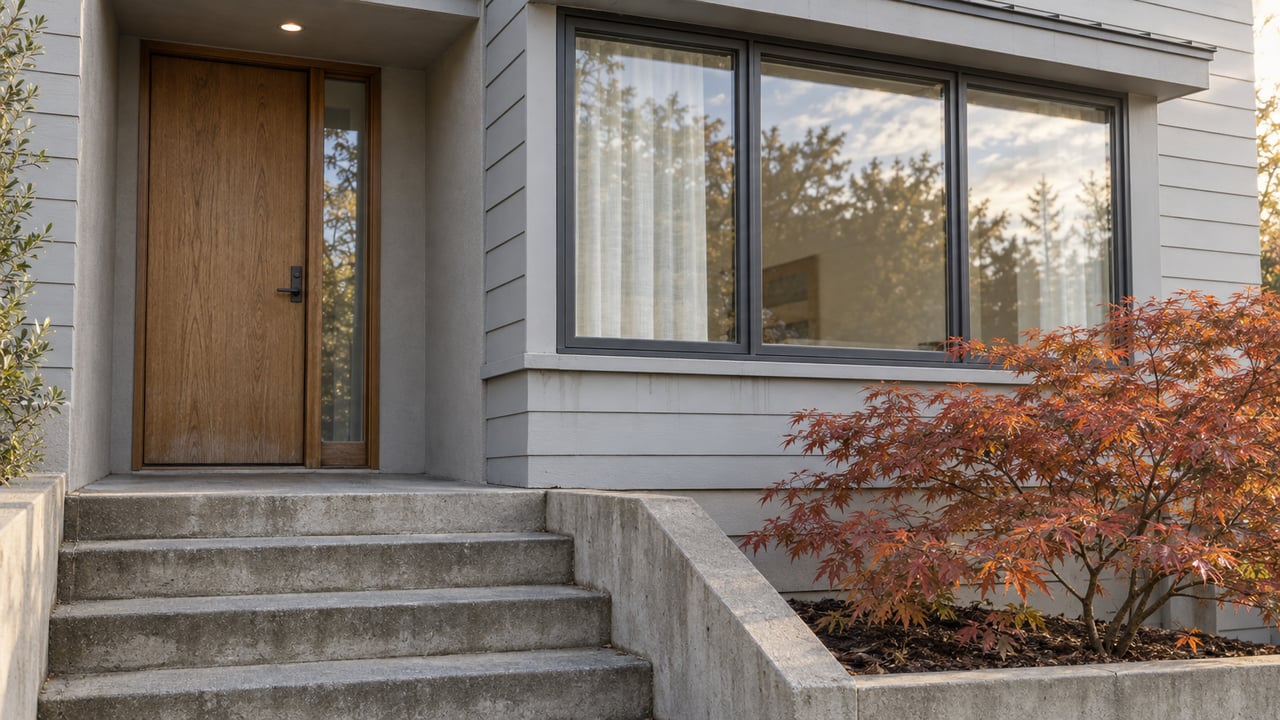
If you want the clearest ROI data, the front of the house is a smart place to begin. In the San Francisco Cost vs Value report, exterior projects posted the strongest direct payback.
Here are a few standout examples:
- Steel entry door replacement recouped 237.2%
- Garage door replacement recouped 236.7%
- Manufactured stone veneer recouped 226.5%
- Fiber-cement siding replacement recouped 109.8%
That does not mean every seller should take on every exterior project. It does mean visible improvements that sharpen first impressions can have outsized value in a neighborhood where buyers are comparing high-end homes quickly.
What exterior work can signal
On Lake Street, exterior updates do more than improve aesthetics. They can signal that the home has been cared for and thoughtfully prepared for market.
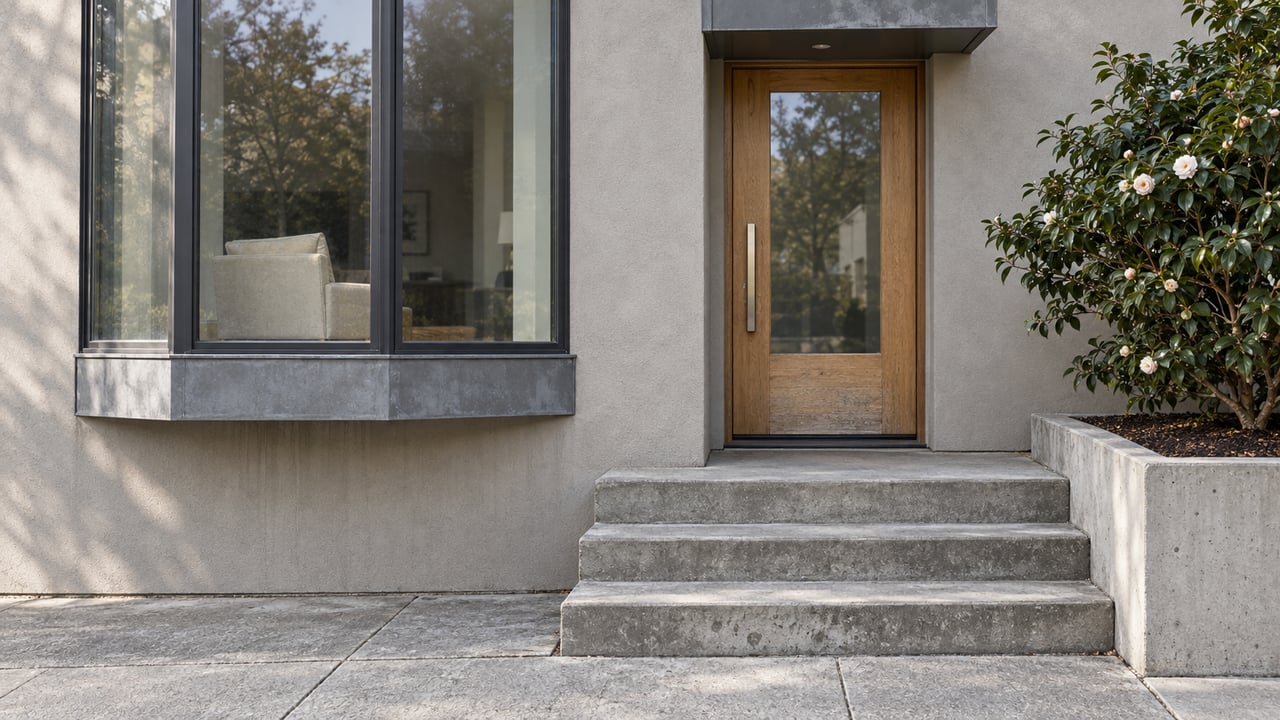
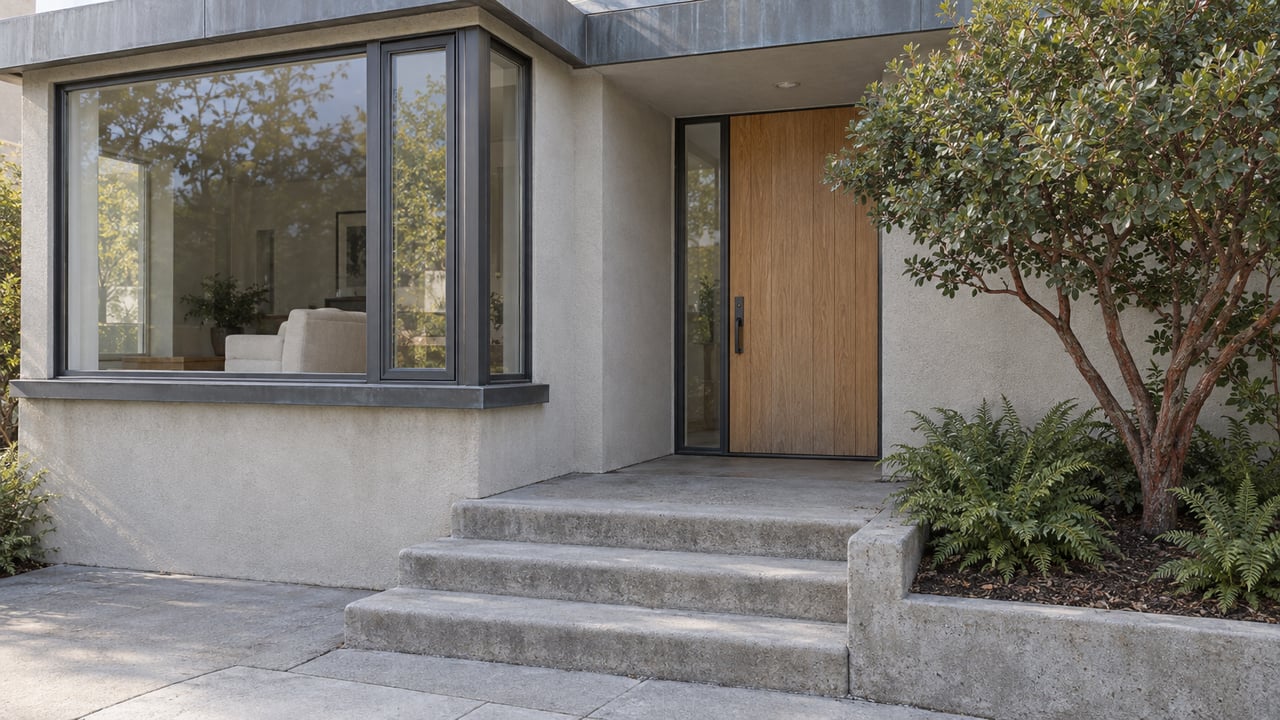
A refreshed entry, crisp siding, updated garage door, and clean facade can set the tone before a buyer ever steps inside. In a luxury setting, that first impression often shapes how buyers interpret the rest of the property.
Prioritize a minor kitchen remodel
If you are considering interior work, a minor kitchen remodel has one of the strongest resale cases in San Francisco. The local Cost vs Value report showed an average cost of $31,804, an estimated resale value of $35,753, and 112.4% cost recouped.
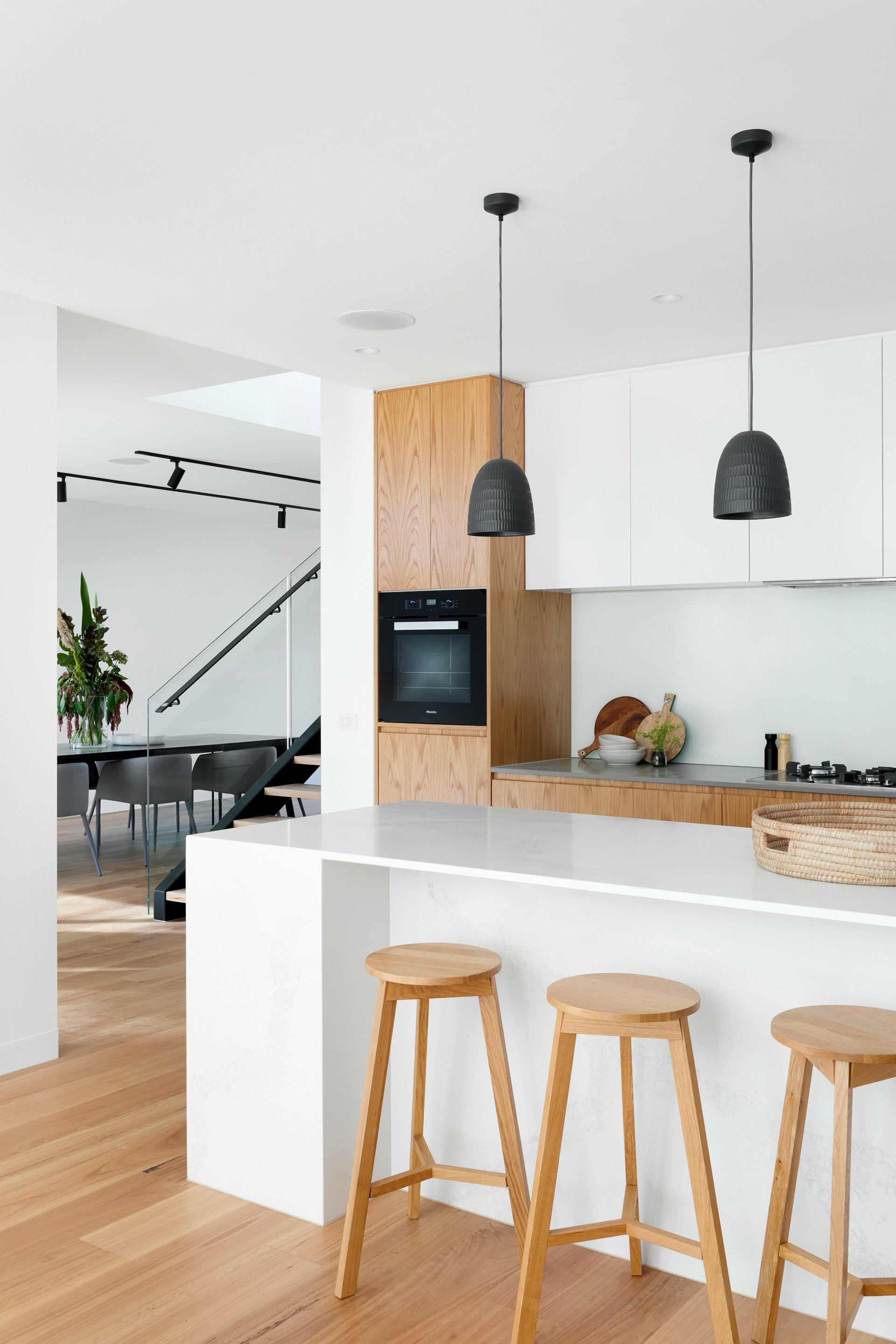
That is especially relevant for Lake Street because recent standout sales emphasized bright, open kitchen and family spaces. Buyers appear to value kitchens that feel current, functional, and visually connected to the rest of the home.
Keep the kitchen update disciplined
For resale, the goal is not to create the most expensive kitchen on the block. The goal is to create a kitchen that feels fresh, clean, and consistent with the level of the home.
A selective update can often do that better than a larger, slower project. When the layout already works, thoughtful finish changes may offer a better return than a full rebuild.
Refresh bathrooms, but avoid overbuilding
Bathrooms matter, but the numbers suggest caution. In San Francisco, a midrange bathroom remodel recouped 73.8%, while adding a new bathroom recouped only 49.2%.
That gap is important for sellers. If your goal is resale, refreshing an existing bath often makes more sense than expanding the footprint or creating new square footage.
Where bathroom spending can still help
A tired bathroom can pull down the overall impression of a luxury home. Clean finishes, updated fixtures, and a bright, well-maintained look can help a property feel more turnkey.
But this is where discipline matters. On Lake Street, buyers are often paying for the complete package, and balanced improvements across the home usually make a stronger impression than pouring too much budget into one room.
Improve light and flow where possible
Not every upgrade needs to be about materials. In this neighborhood, light and flow appear to carry real weight.
Recent Lake Street sales repeatedly highlighted open kitchens, connected living areas, skylights, terraces, floor-to-ceiling glass, and park outlooks. That suggests buyers are responding to homes that feel bright, easy to live in, and well connected from room to room.
Think function before square footage
If you are planning any floor-plan work, focus on changes that improve how the home lives day to day. Better circulation, stronger sightlines, and a more open connection between major gathering spaces can have more impact than simply making a project larger.
This is one reason a targeted pre-sale plan often outperforms a sprawling renovation. Buyers tend to notice how a home feels immediately, not just how much was spent on construction.
Do the basics before the big projects
Before you commit to higher-cost upgrades, take care of the essentials. According to the 2025 staging survey, sellers’ agents most often recommended these steps first:
- Decluttering
- Whole-home cleaning
- Improving curb appeal
Those basics are powerful because they remove distractions. They also create the visual clarity needed for photography, video, showings, and buyer walkthroughs.
Why the basics matter so much
In luxury marketing, presentation is not a finishing touch. It is part of the value story.
A beautifully cleaned, edited, and well-prepared home helps buyers focus on scale, light, layout, and finishes. If those fundamentals are hidden by clutter or deferred maintenance, even a strong property can underperform.
Use staging to support premium pricing
Staging has measurable buyer-facing value. In the 2025 survey, 83% of buyers’ agents said staging made it easier for buyers to visualize the property as a future home, 60% said staging affects most buyers most of the time, and 19% of sellers’ agents said staging increased the dollar value offered by 1% to 5%.
The rooms staged most often were the living room, primary bedroom, dining room, and kitchen. Buyers’ agents also identified photos, traditional staging, videos, and virtual tours as important listing tools.
Where staging matters most on Lake Street
For a Lake Street luxury listing, staging should support the architecture and the lifestyle the home offers. The goal is not to over-style the space. It is to show proportion, define use, and reinforce brightness, flow, and elegance.
This aligns well with Beverly Barnett’s high-touch approach, which includes renovation and staging support through a structured pre-sale program, along with high-quality photography and listing videos designed to showcase a property at its best.
Know what needs a permit in San Francisco
Timing matters just as much as budget. In San Francisco, cosmetic finish work is often the fastest route to listing readiness because SF.gov states that painting, papering, similar finish work, replacement of inside doors, and floor-covering replacement generally do not require permits.
More substantial work can change your schedule. SF.gov says kitchen or bath renovations require a permit before replacing fixtures, and electrical and plumbing work may require separate permits. Many exterior projects, including doors, windows, garage doors, siding, decks, and fences, may be eligible for over-the-counter review, though some scopes require plans.
Build the timeline backward
The practical takeaway is simple: define the renovation scope early. Permit-bearing work can extend your prep window, while staging, photography, and video are best handled near the end, once the home is fully ready.
If you wait too long to make those decisions, you may miss the ideal listing window or compress the marketing process. A clear plan upfront helps you protect both timing and presentation quality.
A practical upgrade plan for sellers
If you want a simple framework, this is usually the strongest sequence for a Lake Street pre-sale strategy:
- Declutter and deep clean the home
- Improve curb appeal and visible exterior elements
- Refresh paint, flooring, and other cosmetic finishes
- Consider a minor kitchen update
- Refresh existing bathrooms where needed
- Make targeted layout changes only if they improve light and flow
- Stage the main living spaces
- Finish with professional photography and video
This order reflects what the San Francisco ROI data, SF permit guidance, and buyer-facing staging research all point toward. It also fits the reality of a luxury market where presentation, speed, and condition often work together.
The goal is not more renovation
For many Lake Street sellers, the best result comes from better decision-making, not bigger construction. A well-planned refresh can help your home feel turnkey, photograph beautifully, and connect with buyers who are ready to move quickly for the right property.
Because monthly neighborhood sales volume is small, pricing and prep should never rely on one data point alone. What matters is combining current market direction with the specific strengths of your home, your likely buyer pool, and a preparation plan that supports premium positioning.
When you want a tailored strategy for your property, Beverly Barnett offers private, data-driven guidance on pre-sale improvements, staging, and marketing designed for San Francisco’s luxury neighborhoods.
FAQs
What upgrades pay off most for Lake Street sellers?
- For Lake Street sellers, the strongest ROI case usually starts with exterior improvements, curb appeal, selective cosmetic updates, and a minor kitchen remodel rather than a major addition.
Should Lake Street sellers remodel before listing?
- Lake Street sellers should usually remodel before listing only when the work helps the home feel more turnkey, polished, and competitive without overbuilding for resale.
Is adding a bathroom worth it before selling in San Francisco?
- For San Francisco resale, adding a bathroom often has a weaker financial case than refreshing an existing one, since local data showed a bathroom addition recouped 49.2%.
Do Lake Street homes benefit from staging?
- Yes, staging can help Lake Street buyers visualize the home more easily, and survey data shows it can influence both buyer perception and, in some cases, offer value.
What home updates do not usually need permits in San Francisco?
- In San Francisco, painting, papering, similar finish work, replacement of inside doors, and floor-covering replacement generally do not require permits, according to SF.gov.
How should Lake Street sellers set an upgrade budget?
- Lake Street sellers should usually budget first for decluttering, cleaning, curb appeal, key cosmetic improvements, and staging before taking on larger projects with lower resale payback.