Selling in Sea Cliff is rarely about doing more. It is about doing the right things, in the right order, to make your home feel polished, credible, and ready for market. If you are planning to sell in the next 6 to 18 months, a smart pre-sale renovation strategy can help you protect architectural character, avoid unnecessary work, and strengthen buyer confidence from the first showing. Let’s dive in.
Why presentation matters in Sea Cliff
Sea Cliff operates like a luxury micro-market, not a one-size-fits-all San Francisco neighborhood. Recent Redfin data shows a median sale price of about $6.2 million, roughly $2.76K per square foot, with homes selling in around 19 days and averaging about 8% above list price. In a market like that, buyers expect a home to look intentional from day one.
That does not mean every seller should take on a major remodel. In Sea Cliff, presentation often matters more than reinvention. Homes here benefit when updates make the property feel well cared for, visually calm, and true to its original design.
San Francisco Planning’s residence-park historic context also adds an important layer. Sea Cliff’s character is tied to marine views, terraced lots, and architectural features such as original massing, rooflines, setbacks, cladding, entries, stairs, and compatible window and door openings. For sellers, that supports a simple idea: the best improvements usually sharpen what is already there.
Focus on updates buyers notice first
If your goal is resale, start with the work buyers can see quickly. National remodeling research from Zonda’s 2025 Cost vs. Value report found that exterior-focused projects and modest interior updates tend to outperform major discretionary remodels when it comes to resale value. Top performers included garage door replacement, steel entry door replacement, manufactured stone veneer, fiber-cement siding replacement, and a minor kitchen remodel.
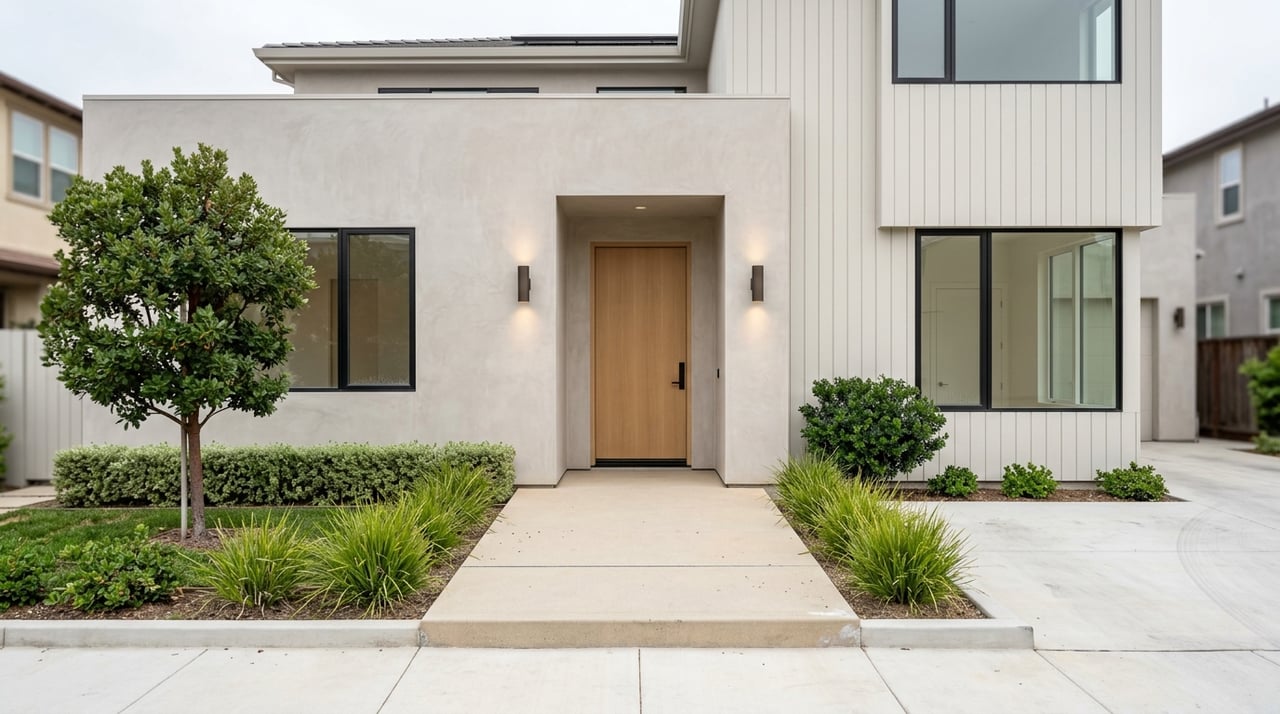
That pattern matters in Sea Cliff. Buyers are often responding to condition, curb appeal, and overall confidence in the home, not just square footage or flashy finishes. A polished exterior, clean entry sequence, refreshed lighting, and a kitchen or bath that feels current can do more for your sale than an expensive redesign that does not match the home.
The National Association of REALTORS® reported in 2025 that 46% of home buyers are less willing to compromise on property condition when purchasing. That makes visible maintenance issues more costly than many sellers realize. Peeling paint, dated fixtures, worn flooring, or deferred repairs can create doubt before a buyer even reaches inspections.
Prioritize repairs over grand remodels
For most Sea Cliff sellers, the strongest pre-sale plan starts with repair and refresh work, not expansion or reconfiguration. Think about the places where buyers form an opinion fast:
- Front entry and curb appeal
- Exterior paint and siding condition
- Garage door and front door appearance
- Lighting, hardware, and finishes
- Flooring condition and consistency
- Kitchens that feel clean and functional
- Bathrooms that feel current and well maintained
- Roofing or visible maintenance concerns
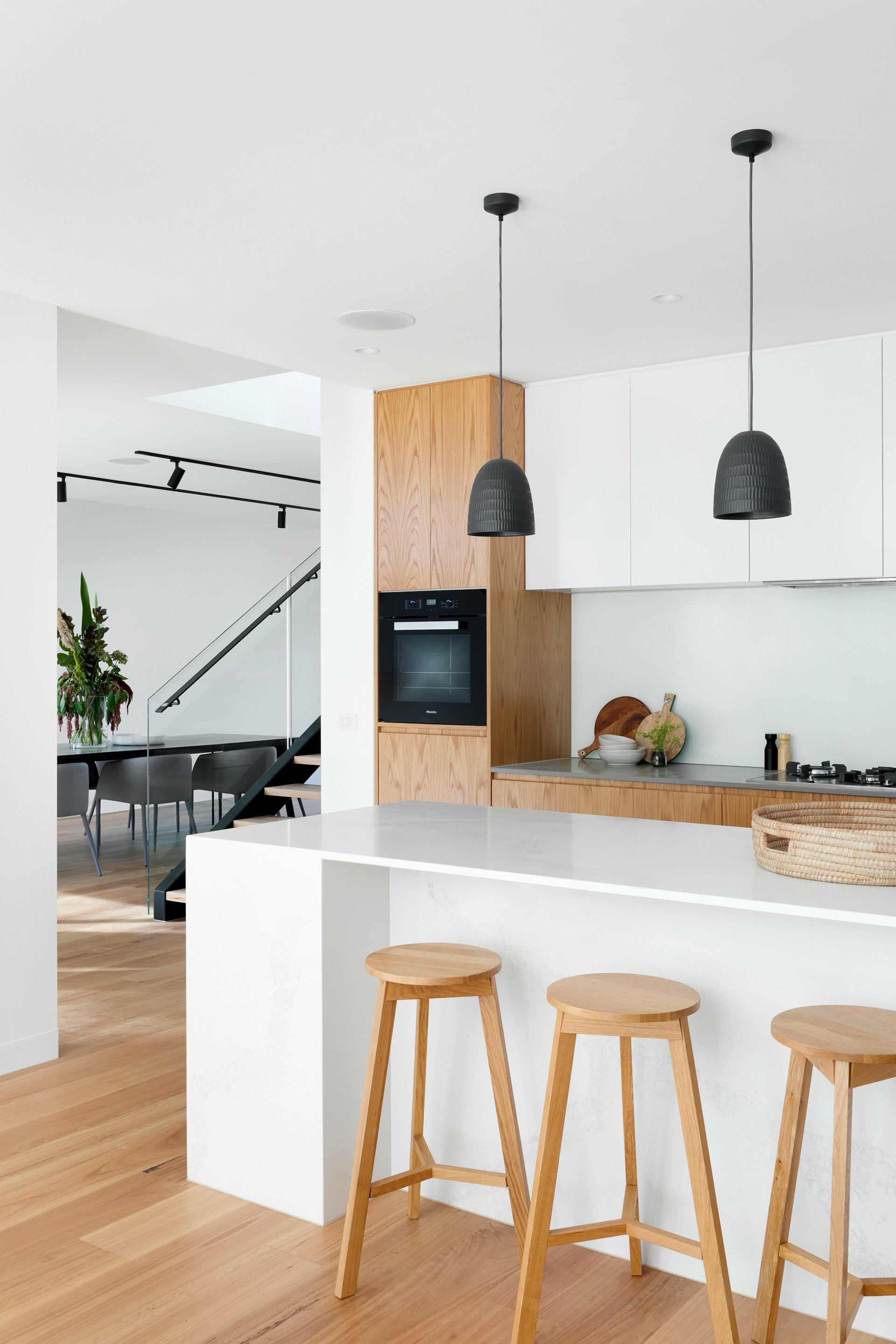
A minor kitchen update can often be enough if the layout already works. Fresh cabinet finishes, updated hardware, lighting, counters, or appliances may help the space feel market-ready without pushing you into a larger project. The same goes for bathrooms, where clean lines and a well-maintained look often matter more than highly personalized luxury materials.
Large remodels can still make sense if the home has a clear functional deficiency. But if your layout is already competitive for the neighborhood, it is usually wise to avoid overspending beyond likely comparable value. In Sea Cliff, buyers often pay for location, views, architecture, and overall presentation, so your renovation budget should support those strengths.
Preserve the home’s architectural identity
One of the biggest mistakes sellers can make in Sea Cliff is treating the property like a blank slate. San Francisco Planning identifies windows, openings, massing, and facade composition as important parts of the neighborhood’s architectural character. That means dramatic exterior changes may be harder to justify and may do less for resale than a thoughtful restoration.
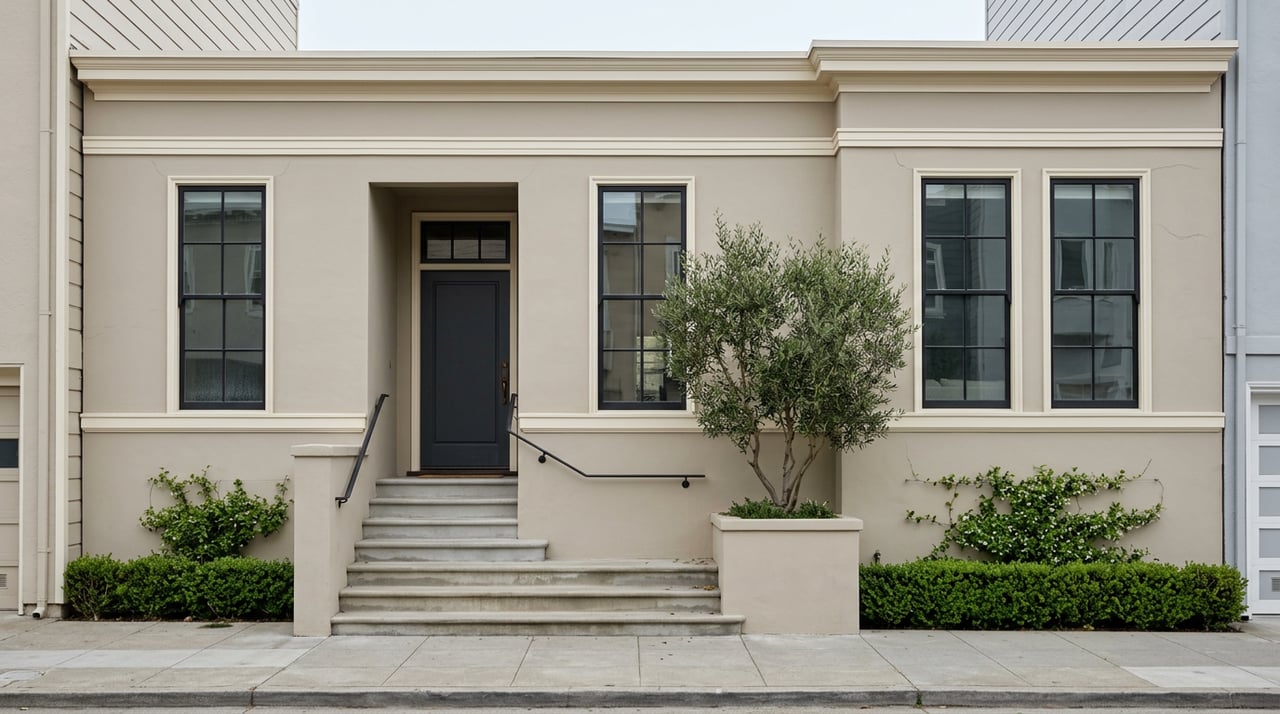
If your home has strong original proportions, trim, cladding, or entry details, those elements can be assets. Buyers in this segment often respond well to homes that feel authentic and composed. A pre-sale renovation should help the house present better, not make it feel disconnected from its setting.
This is especially important with windows and facade updates. In-kind improvements usually support both visual consistency and an easier city review path. By contrast, changing proportions, enlarging openings, or introducing an incompatible exterior treatment can add time, complexity, and risk.
Understand San Francisco permit boundaries
Before you schedule contractors, make sure you know where your scope falls within San Francisco’s permit process. According to SF.gov, several common seller-prep projects may move through a no-plans or over-the-counter path if they remain in-kind and do not change the layout.
Examples that do not require plans include:
- Replacing windows in-kind, with the same size and location
- Replacing doors in-kind
- Replacing or repairing exterior siding in-kind
- Replacing garage doors
- Re-roofing
- Minor dry rot repairs
- Kitchen or bathroom remodels without changing the floor plan, moving walls, or adding a new shower or bathtub
If your project moves beyond that, plans are generally required. That can happen when you shift walls, alter openings, change layouts, or add more substantial construction scope.
For sellers, this creates a practical rule: decide what can stay simple before you expand the wish list. In-kind work is often the most efficient pre-sale path because it can preserve character, reduce permit friction, and keep your timeline moving.
Build a smart pre-sale timeline
If you are selling in the next 6 to 18 months, timing matters almost as much as budget. A rushed renovation can lead to uneven choices, while a project that starts too early may drift into unnecessary upgrades. The best approach is a disciplined sequence that supports a clean launch.
Step 1: Assess marketability first
Start by evaluating the home as a buyer would. Look at condition, visual consistency, deferred maintenance, and any features that may distract from the property’s strengths. In Sea Cliff, those strengths may include views, light, scale, curb presence, and architectural detail.
Step 2: Separate needs from wants
Create two lists: must-do items and optional upgrades. Must-do items usually include repairs, visible wear, and presentation issues that could weaken buyer trust. Optional upgrades are nice improvements, but not essential to a strong sale.
Step 3: Confirm permit and scope limits
Before finalizing the work list, review whether each item is in-kind and whether it stays within the city’s no-plans or OTC thresholds. This step can help you avoid delays and keep the project aligned with your sale window.
Step 4: Complete high-impact refreshes
Once the scope is set, focus on the updates with the clearest resale value. That often means exterior improvements, paint, flooring, lighting, kitchen and bath refreshes, and visible maintenance corrections.
Step 5: Stage after renovation is done
Staging should come after the dust settles, not before. It works best when the home is already clean, repaired, and visually cohesive.
Use staging as the finishing layer
Staging is one of the clearest ways to support your renovation investment. According to the National Association of REALTORS® 2025 Profile of Home Staging, 83% of buyers’ agents said staging makes it easier for buyers to visualize a future home. That is a strong argument for treating staging as part of your launch strategy, not an afterthought.
The same report found the living room was seen as the most important room to stage, followed by the primary bedroom and kitchen. In practice, the most commonly staged spaces were the living room, primary bedroom, dining room, and kitchen. Those rooms should usually lead your staging plan in Sea Cliff as well.
For a luxury property, staging is not about filling every room. It is about clarifying scale, showing function, and helping buyers connect emotionally to the home’s best spaces. In Sea Cliff, that often means emphasizing light, views, and architectural flow rather than layering on too many design statements.
The report also found that some sellers’ agents saw a 1% to 5% increase in dollar value offered after staging, while others reported slightly reduced time on market. Staging does not guarantee a premium, but it can strengthen photography, showings, and first impressions when paired with the right pre-sale updates.
A practical Sea Cliff renovation playbook
If you want a simple framework, think about your pre-sale renovation plan this way: preserve, polish, then present. That sequence fits both the Sea Cliff market and the city review environment.
Here is a practical checklist to guide your decisions:
- Preserve original architectural character where possible
- Favor in-kind exterior and window updates over major facade changes
- Repair visible defects before buyers see them
- Invest in curb appeal and entry presentation
- Refresh kitchens and baths without overbuilding
- Keep layouts intact unless there is a clear functional issue
- Stage the living room, primary bedroom, dining room, and kitchen
- Launch with strong photography and video after the home is fully prepared
This approach is especially effective in a neighborhood where buyers often respond to quality, confidence, and authenticity. A home that feels ready, well-maintained, and architecturally coherent is often more compelling than one that was over-renovated for the market.
If you are preparing to sell in Sea Cliff, the goal is not to erase the home’s identity. It is to refine it so buyers can see the value immediately. With the right scope, timing, and presentation, pre-sale renovations can support both stronger interest and a more confident launch.
If you are weighing which improvements are worth it before listing, Beverly Barnett can help you build a tailored plan with renovation, staging, and launch strategy designed for the Sea Cliff market.
FAQs
What pre-sale renovations matter most for Sea Cliff sellers?
- The most effective updates are usually high-visibility improvements such as curb appeal, exterior condition, entry presentation, lighting, flooring, minor kitchen or bath refreshes, and repairs that remove buyer concerns about maintenance.
What kind of renovation approach works best for Sea Cliff homes?
- In Sea Cliff, presentation usually performs better than reinvention. Updates that preserve architectural character and make the home feel move-in ready are often more effective than major stylistic overhauls.
What pre-sale projects in San Francisco may not require plans?
- SF.gov says in-kind window replacement, in-kind door replacement, in-kind siding repair or replacement, garage door replacement, re-roofing, minor dry rot repairs, and some kitchen or bathroom remodels without layout changes may not require plans.
What renovation changes usually require plans in San Francisco?
- Projects that move walls, change the floor plan, alter openings, or add more substantial construction scope generally require plans and more formal review.
Which rooms should Sea Cliff sellers stage before listing?
- Based on 2025 staging research, the highest-priority rooms are typically the living room, primary bedroom, dining room, and kitchen.
Why is architectural preservation important when selling a Sea Cliff home?
- Sea Cliff’s built character is tied to elements like massing, rooflines, setbacks, cladding, and compatible window and door openings, so updates that respect those features can support both buyer appeal and a smoother prep process.