Are you watching Sea Cliff and wondering when to move and what really drives value here? This enclave behaves differently from the broader San Francisco market, and understanding its rhythms can give you a real edge. In this guide, you’ll learn how inventory and sales velocity work in Sea Cliff, which property traits command the strongest premiums, and how to time your listing or offer. Let’s dive in.
Sea Cliff at a glance
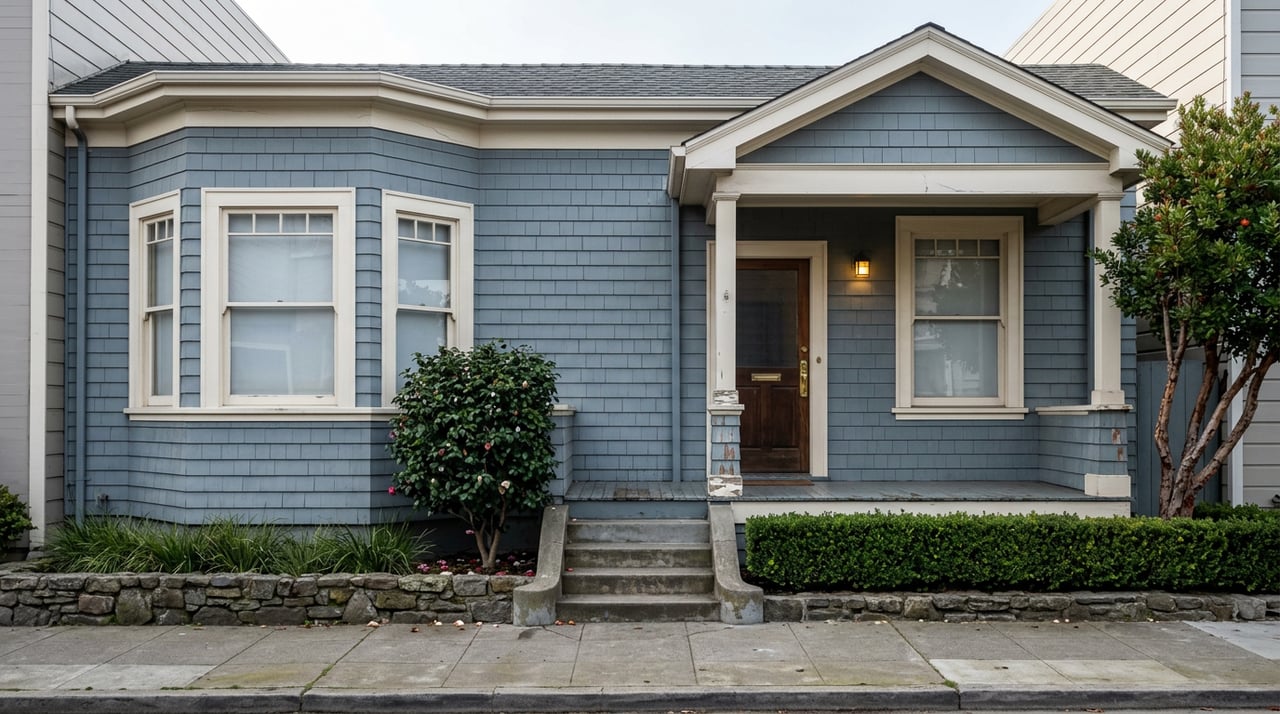
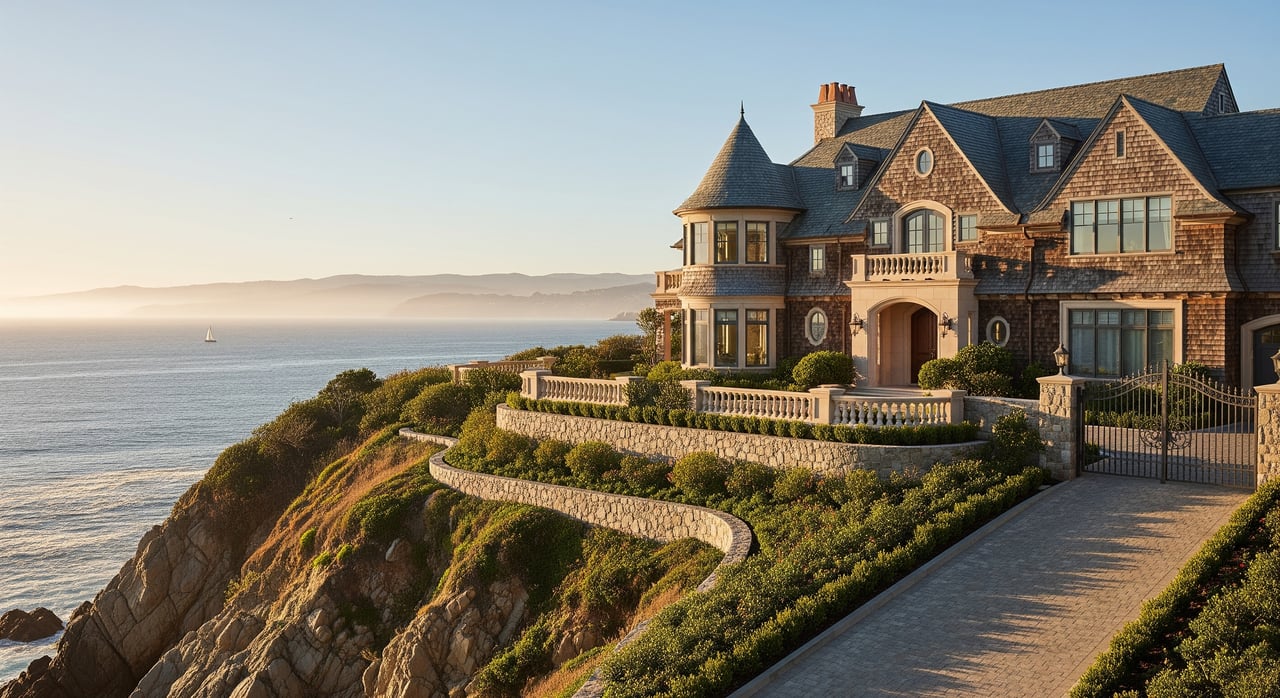
Sea Cliff sits on San Francisco’s northwest edge, bordered by the Presidio, Lincoln Park, Lands End, and the Pacific. The neighborhood is largely single family, with architect‑designed homes on larger lots and steep topography that creates dramatic ocean and Golden Gate views.
Architecture ranges from historic Mediterranean and Tudor to mid‑century and bespoke contemporary remodels. Many properties carry an architectural pedigree that adds cachet for discerning buyers. The result is a luxury micro‑market where design, setting, and privacy often matter more than standard upgrades.
Inventory and velocity basics
Sea Cliff is defined by ultra‑low turnover. At any moment, you’ll see a small number of active listings, with multi‑month gaps between sales. That leads to lumpy activity rather than a steady monthly flow.
Low inventory also amplifies price sensitivity. A single trophy sale can reset local comps, and off‑market or quiet transactions are more common. When the right home appears, buyers who have been waiting often move fast, which can compress days on market and lift sale‑to‑list ratios in thin months.
Metrics to watch in Sea Cliff
Track a rolling 6 to 12 months for a clear picture:
- Active listings and new listings this month
- Closed sales over 12 months by price band
- Months of inventory (active ÷ average monthly closings)
- Median sale price and price per square foot (12‑month rolling)
- Median and average days on market
- Sale‑to‑list price ratio
- Share of off‑market or sold‑before‑MLS transactions
- Lot size distribution and usable yard area
- Share of sales with ocean or Golden Gate views
- Permit flags and geotechnical or coastal constraints
Interpreting small-sample market data
Because sales volume is low, monthly medians can swing. Use rolling windows and compare a subject property to a handful of truly similar sales rather than relying on citywide rules of thumb.
Expect months with limited supply to show low days on market and stronger sale‑to‑list ratios. The buyers for Sea Cliff are selective and patient, so the right match can sell quickly. Focus on comp quality, not just neighborhood or size.
Primary value drivers in Sea Cliff
View corridors and view quality
- Why it matters: Views of the ocean and the Golden Gate are durable, scarce, and among the strongest premiums in coastal markets.
- What carries value: Full, unobstructed panoramas from primary living areas or the principal bedroom command the highest premiums. Partial or obstructed views, or views limited to a single room, carry smaller uplifts.
- How to quantify: Pair adjacent or nearby sales where view quality is the main difference. Note the percentage of the home that carries the view, floor levels, and orientation. Use a comp‑based approach to estimate the incremental value. Reported ranges often run from low single‑digit uplifts for partial views to double‑digit percentages for premier panoramas. Use recent local sales for precision.
Lot size, usable space, and topography
- Why it matters: Larger, more private parcels support outdoor entertaining, pools, and stronger separation from neighbors.
- Sea Cliff realities: Lots tend to be larger than the city average, but slope can reduce usable yard area. Distinguish total lot size from truly usable flat space.
- How to assess: Consider price per usable or buildable square foot when slope or bluff setbacks limit utility. Parcels that allow meaningful expansion without heavy grading or geotech hurdles often justify premiums.
Architectural pedigree and design quality
- Why it matters: Architect‑designed or historically notable homes carry an intangible premium for buyers who value provenance and craftsmanship.
- How to evidence: Document the architect, year built, notable owners, and any published features or awards. Present plans, professional photography, and preserved details to support pricing.
- Pricing note: Treat pedigree as a qualitative uplift supported by the best matching comps of similarly notable homes.
Privacy, security, and scale
- Why it matters: Privacy is a common purchase motive in Sea Cliff. Elevated sites, deep setbacks, hedged gardens, and thoughtful massing increase desirability.
- How to present: Highlight buffers from neighbors, controlled sightlines, and any security systems. Balance privacy improvements with view protection when planning changes.
Condition, systems, and permit history
- Why it matters: High‑end buyers often want move‑in readiness, yet will also pay for an exceptional site and view even if they plan to renovate.
- What to verify: Full permit history for major work, geotechnical reports for bluff or steep sites, and documentation for foundation or stabilization upgrades. Note seismic, HVAC, and energy systems and their age.
Access, amenities, and lifestyle premiums
- Neighborhood perks: Walking access to Lincoln Park, the Legion of Honor, Presidio trails, and coastal paths enhances daily life. Proximity to Golden Gate Bridge routes supports regional commuting.
- School considerations: Families often weigh a range of public and private school options. Keep descriptions neutral and focus on access and convenience.
Regulatory and physical constraints
- Supply limits: Coastal edge rules, bluff setbacks, and San Francisco’s planning and preservation processes constrain large redevelopments or subdivisions. These constraints help maintain scarcity and support higher values.
Seasonality and listing timing
When to list for maximum exposure
- Late winter through spring often sees higher listing activity and buyer attention. If you want broad exposure and the best chance at multiple bidders, aim for February to May.
- Align renovation completions with spring where possible to capture peak demand.
When to sell privately
- High‑profile sellers or privacy‑minded owners may prefer a pocket listing or selective outreach. Expect a more controlled process and fewer showings, but also less price discovery.
- In Sea Cliff, well‑qualified buyers sometimes transact in fall or winter to avoid competition. A single quality listing can draw attention any month of the year.
Marketing that speeds velocity
- Essentials: Professional photography, dusk images to showcase views, drone footage for view corridors and lot context, and detailed floor plans.
- High‑end outreach: Curated broker tours, private showings, and selective previews to targeted domestic and international buyers. Pricing needs to be disciplined; overpricing in a thin market risks missing the few best‑fit buyers.
Due diligence that protects deals
- Provide geotechnical and bluff‑related documentation early for larger projects.
- Disclose permit history and any historic review triggers upfront to streamline negotiations.
Valuation and comparable strategy
Comp quality first rule
Start with the attributes that drive price in Sea Cliff: view quality from primary rooms, usable lot area, architectural pedigree, privacy, and condition or permit status. After that, adjust for size, bedroom and bath count, and finishes. When local comps are scarce, consider nearby coastal neighborhoods with similar view and lot traits, while noting differences.
Common pricing pitfalls
- Leaning on price per square foot without factoring view, lot usability, and condition
- Treating every Sea Cliff sale as a comp despite major differences in view or slope
- Reading too much into a single trophy sale that may be an outlier
Seller prep checklist
- Complete permit history and any structural or geotechnical reports
- Precise floor plans that align with MLS standards
- Lot dimensions, usable yard area, and any coastal or bluff setbacks
- High‑resolution photography and drone content
- A clear narrative of architectural provenance and notable features
Buyer due diligence checklist
- Confirm view corridors and potential future obstructions
- Review geotechnical work, foundation, and slope stability on hillside or bluff sites
- Verify permits for past renovations and systems upgrades
- Analyze usable outdoor space vs total lot size
- Use paired comps to quantify the view and lot premium before you bid
Bring it all together
Sea Cliff rewards patience and precision. Because inventory is limited and sales are episodic, the best outcomes come from disciplined valuation, thoughtful timing, and marketing that showcases views, lot quality, architecture, and privacy.
If you want white‑glove guidance tailored to Sea Cliff, Beverly Barnett pairs local micro‑market expertise with Compass tools to create premium liquidity. That includes curated off‑market access, Compass Private Exclusives for privacy‑minded sellers, video‑first marketing, and a Revive renovation and staging program designed to elevate ROI. Ready to plan your next move in Sea Cliff? Connect with Beverly Barnett for a confidential strategy session.
FAQs
How does Sea Cliff inventory typically behave?
- Inventory is usually very low, with small pools of active listings and multi‑month gaps between sales, so activity is lumpy rather than steady month to month.
What does “months of inventory” mean in Sea Cliff?
- It is active listings divided by average monthly closings; in a thin market like Sea Cliff, it can swing quickly, so use 6 to 12 month rolling windows.
How much can ocean or bridge views add to price?
- Premiums vary by scope and room orientation, from low single digits for partial views to double‑digit percentages for unobstructed panoramas, based on recent local comps.
When is the best time to list a Sea Cliff home?
- Late winter to spring often brings more attention and bidders, though a standout property can attract strong demand any month.
Should I renovate before selling in Sea Cliff?
- It depends on the site and view; exceptional lots or views may sell well as‑is to buyers planning custom work, while mid‑tier homes can benefit from targeted upgrades with clear permit histories.
Are off‑market sales common in Sea Cliff?
- Quiet or off‑market transactions are relatively more common due to privacy preferences and limited supply, so targeted outreach can be an effective strategy.