You love Dolores Park. Now you’re choosing between living on its Mission Dolores side or a short walk away in the Castro. Both give you great coffee, quick transit, and a lively scene. The right pick depends on the home style you want, your budget, and how you feel about weekend crowds or late-night energy. In this guide, you’ll compare lifestyle, pricing, rents, transit, renovation rules, and everyday trade-offs so you can buy with confidence. Let’s dive in.
Quick take: Key differences
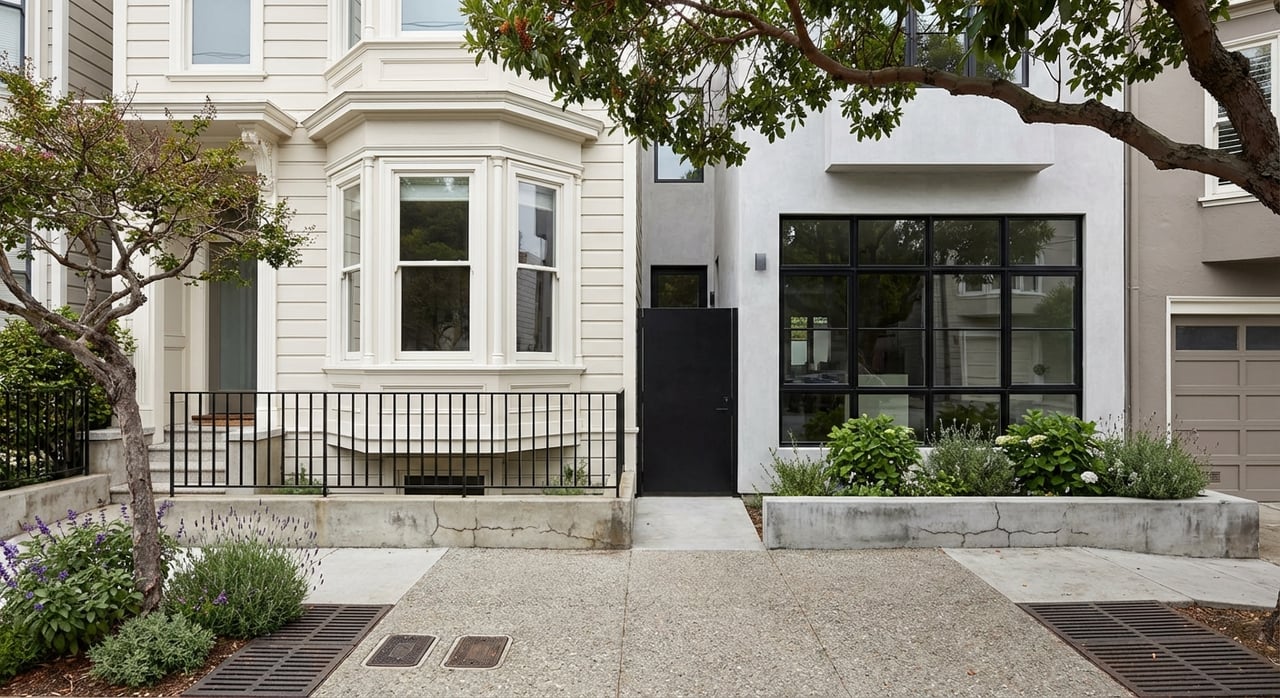
- Mission Dolores centers on Dolores Park and Valencia Street’s restaurants, with classic Victorian and Edwardian homes and boutique condo conversions. You get a strong park-and-food lifestyle and a little more space in some units.
- The Castro is the historic LGBTQ+ cultural core with a compact spine on Castro and 18th Streets, plus quick Market Street access. Expect many apartments and condos, an active nightlife calendar, and excellent transit.
- Prices and rents trend higher in the Castro. Median sale prices recently landed in the roughly 1.4 to 1.7 million dollar range depending on source and date. Mission Dolores has trended lower, roughly 1.0 to 1.3 million dollars in late 2025 to early 2026. Always check current MLS comps before you write an offer.
- Rents are close but typically a bit higher in the Castro. In February 2026, Zumper showed median asking rent around 4,100 to 4,200 dollars in the Castro and about 3,800 to 4,050 dollars in Mission Dolores.
Neighborhood feel and anchors
Mission Dolores: Park, food, classic homes
Mission Dolores sits within the western Mission District, anchored by Mission Dolores Park and the historic Mission San Francisco de Asís. The area’s planning context recognizes its early-residential fabric, with many Victorian and Edwardian buildings and several eligible historic districts. You’ll see preserved façades, low-rise flats, and tasteful infill near Valencia, plus a strong neighborhood identity shaped by local groups and city planning work. For background on historic context and survey findings, review the city’s Mission Dolores historic survey materials on the San Francisco Planning site: Mission Dolores Neighborhood Historic Context and Survey.
On the ground, the lifestyle leans food-first. Valencia Street and nearby 16th to 24th Street corridors are packed with cafes, bakeries, and restaurants. Dolores Park is your daily green space for picnics, dog walks, and sunny afternoons.
The Castro: Culture, nightlife, Market access
The Castro, also known as Eureka Valley, is defined by Castro Street between Market and 19th, the Castro Theatre, and Harvey Milk Plaza. Its cultural identity is strong, with community events and a long history documented in the neighborhood’s historic context statement: Eureka Valley/Castro Historic Context Statement.
You’ll find a dense mix of bars, neighborhood-serving shops, and the iconic Castro Theatre. After a renovation program, the Castro Theatre’s 2026 reopening continues to draw film and music events that keep the area active into the evening, as covered by the San Francisco Chronicle’s report on its community-centered return: Castro Theatre reopening plans.
Dolores Park: Big perk, real trade-off
Dolores Park is a 15 to 16 acre landmark between 18th and 20th Streets and Dolores and Church Streets. It offers sports courts, fields, an acclaimed playground, dog areas, and wide sloping lawns with city views. On sunny weekends the park can attract thousands of visitors, which is a joy if you love energy and people-watching, and a challenge if you want quiet. Homes that face or sit next to the park can experience weekend crowding and noise, especially during events. Learn more about the park’s amenities and scale through the park overview: Mission Dolores Park.
Tip: If you love the park but want calmer evenings, consider properties a block or two off the lawn or interiors that face away from the street.
Home types and pricing at a glance
- Mission Dolores: You’ll see classic Victorian and Edwardian homes, multiunit walk-ups, and boutique condo conversions near Valencia. Preservation context can influence exterior changes. Recent provider snapshots placed median sale prices around 1.3 million dollars as of December 2025 (Redfin) and about 1.02 million dollars for median listing/sale figures as of December 2025 (Realtor.com). Neighborhood boundaries and metrics differ by source, so use these as broad ranges and verify with current MLS comps.
- The Castro: Housing includes pre-war apartment buildings, small multifamily homes, and some row Victorians and Edwardians. Inventory often skews toward one and two bedroom condos and apartments. Recent snapshots placed the median sale price near 1.7 million dollars in January 2026 (Redfin) and a home value index around 1.5 million dollars as of January 31, 2026 (Zillow). Again, rely on fresh comps when you get serious about a specific address.
Market conditions can shift month to month, and data providers define neighborhood boundaries differently. When you target a home, your best guide will be three to six months of MLS sold comps on near-identical property types.
Rents and unit mix
If you are comparing buying to renting or thinking about rent-back potential, recent rental data helps set expectations.
- Castro: Zumper’s February 2026 snapshot shows median asking rent around 4,100 to 4,200 dollars across unit sizes. See the latest trend on their Castro page: Castro rent research.
- Mission Dolores: Zumper’s February 2026 snapshot shows median asking rent roughly 3,800 to 4,050 dollars. Check current figures here: Mission Dolores rent research.
In both areas, one bedroom rents commonly land in the mid 3,000s and two bedrooms trend higher. Buildings with parking or in-unit laundry often command a premium.
Transit, walkability, and parking
Both neighborhoods offer excellent transit. The J Church light rail line runs along the west edge of Dolores Park with stops at Church and 18th and a dedicated right-of-way through the park. See route details here: J Church line.
For fast downtown access, you have Muni Metro stations at Castro and Market and at Church. Review station access and system details in the city’s guide: Muni Metro access guide.
Daily errands are easy on foot, and most residents rely on rideshare, Muni, or biking. Street parking is limited in both neighborhoods and many older buildings do not include garage parking. If parking matters to you, filter for deeded or assigned spaces and verify stall ownership in HOA documents.
Renovation and historic review
Portions of Mission Dolores fall within or near identified historic contexts, and some properties may sit in eligible or designated districts. Exterior renovations, additions, or major façade work often require planning review, and preservation factors can influence the scope and timeline. The Castro has its own documented historic context that also informs review for certain projects. For background and to orient your expectations, you can scan the city’s planning materials for Mission Dolores: Historic context and survey.
Practical takeaway: before you price a renovation into your offer, have your agent consult the listing team and planning staff about historic-district status and permitting path for the specific parcel.
Lifestyle trade-offs to consider
- Space vs. scene: You may find larger Edwardian flats or multi-bedroom units around Mission Dolores at a more favorable price per square foot than a smaller condo in the Castro. In the Castro, expect dense apartment living and a lively, compact nighttime core.
- Park energy vs. nightlife energy: Park-adjacent Mission Dolores homes feel the weekend surge. Castro Street-facing properties feel the evening bar and event traffic.
- Commute preference: If you use Market Street often, the Castro’s Muni Metro station can shorten your trip. If you want a surface rail that cuts through the park, the J Church is right there.
- Renovation goals: Mission Dolores’ preservation context may add steps to some projects, especially exterior changes. Plan early and budget time.
Which is right for you? A quick buyer checklist
Use this to clarify your fit:
- You love park life and Valencia dining within minutes.
- You prefer classic architecture and the chance for a bit more space.
- You want slightly broader pricing options within walking distance of Dolores Park.
- You are comfortable stepping one or two blocks off the lawn for quieter evenings.
If most of those fit, Mission Dolores might be your match.
- You want a compact, high-energy main street with frequent events.
- You value quick access to Market Street transit and downtown.
- You prefer a condo or apartment in a building with amenities.
- You are fine with a lively nighttime atmosphere right outside your door.
If those sound like you, the Castro could be the better fit.
How a local expert adds value
Choosing between these two micro-markets comes down to floor plan, block, and building. You need current sold comps, a true read on weekend and evening conditions, and clarity on any historic review that could affect your plans. A seasoned advisor will preview units, check planning status, confirm parking rights, and pressure-test pricing with apples-to-apples comps from the past 90 days.
When you are ready to refine your search, schedule a private consultation with Beverly Barnett. You will get discreet buyer representation, access to Compass Private Exclusives and select off-market opportunities, and a data-forward strategy for winning the right home near Dolores Park.
FAQs
Is Mission Dolores usually cheaper than the Castro?
- Often, yes for similar-sized properties, based on recent provider snapshots through early 2026. Still, pricing varies by unit type and block. Always use fresh MLS sold comps.
How noisy is it to live next to Dolores Park?
- On sunny weekends and during events, the park draws large crowds that can raise noise levels for park-facing homes. Properties a block or two away are usually calmer. See park scale and use here: Mission Dolores Park.
Which transit stops are most useful for each area?
- Mission Dolores benefits from the J Church along Church Street and the nearby Church Street Muni Metro station. The Castro has the Castro Street Muni Metro station at Market and Castro. Review system info: Muni Metro access guide and J Church line.
Are there renovation restrictions in Mission Dolores or the Castro?
- Some properties fall within historic contexts or districts that can influence exterior changes and additions. Check the city’s planning materials and consult staff early: Mission Dolores historic survey.
How should I check current safety trends by block?
- Use the City’s open-data incident feed to review up-to-date reports near a specific address: Police Department Incident Reports. Compare time-of-day and recent-month trends before deciding.